
The Tim Hortons boycott exposes a brand-safety blind spot
Platform filters couldn't have stopped the Tim Hortons x Harry Potter boycott — the exposure was a licensing decision Tim Hortons made itself. For media buyers, the takeaway is a brand-suitability check on IP-backed creative before spend scales.
- Platform
- Multi-platform
- Campaign type
- Co-branded promotion
- Spend range
- National
- Timeframe
- 0-07-27 to 2026-07-29
- Backlash timing
- ~0 hours
- Verdict
- mixed result
- Industry vertical
- Coffee chain
- Last reviewed
- 0-08-01
The useful brand-safety takeaway from the Tim Hortons Harry Potter promo boycott is not that a platform filter missed something. It is that the risky object was already inside the campaign.
A negative keyword list, inventory filter, publisher blocklist, or Brand Safety Hub setting is built to manage where an ad appears. The Tim Hortons exposure came from a different layer: the brand’s own decision to license and feature Harry Potter IP in first-party creative. Hootsuite’s 2026 brand-safety guidance makes the distinction that matters here: brand safety is about protecting reputation from harmful surrounding content, while brand suitability is about whether a placement, message, or association aligns with a brand’s own values and risk tolerance [1].

That control-layer distinction matters because it changes who had a realistic chance to catch the issue. If a paid-social team received approved co-branded assets and then tried to keep the spend clean with platform-level brand safety controls, they were already late. The question was not whether the ad might run beside unsafe content. The question was whether Tim Hortons should put that IP into the campaign system in the first place.
The dated record, without invented impact metrics
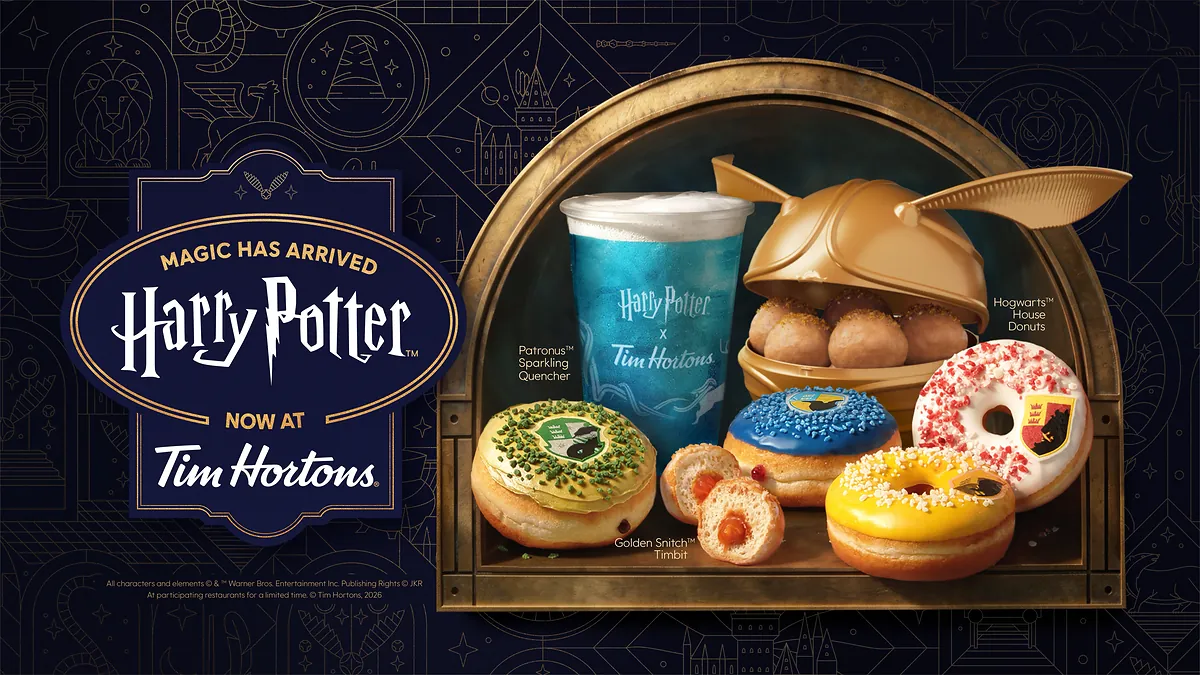
Tim Hortons announced the Warner Bros. Discovery “Back to Hogwarts” collaboration on July 27, 2026. The release described Harry Potter-themed menu items, merchandise, and limited-edition packaging, with the promotion scheduled to launch on August 12 [2].
Within about 24 hours, boycott calls and the “TERF-Hortons” nickname were circulating. Egale Canada issued a July 28 statement criticizing the collaboration and connecting the backlash to J.K. Rowling’s public record on transgender issues [3]. CBC, PinkNews, and Yahoo News Canada then covered the reaction through that same frame: not as a menu debate, but as criticism of a Canadian brand choosing to promote an IP ecosystem associated with Rowling’s documented controversy [4][5][6].
As of the public reporting available through July 29, the August 12 launch had not been publicly changed. This remains a developing record, and that is as far as the cited reporting supports. It does not establish boycott participation numbers, sales damage, media-spend pullbacks, franchisee-level consequences, or a measured change in consumer behavior [4][5][6].
That absence is not a footnote. It keeps the paid-media lesson clean. This is not evidence that the campaign failed commercially. It is evidence that a public suitability issue entered the campaign before any auction, placement, or adjacency control could do useful work.
Brand safety was pointed at the wrong surface
Brand safety tools are useful when the unsafe thing is outside the ad: a video category, a publisher, a comment environment, a page topic, a creator’s adjacent content, or an inventory source. They help answer questions like: Should this ad run next to violent news? Should it appear in comments-heavy placements? Should this campaign avoid certain keywords, publishers, or content categories?
Brand suitability is a harder internal question. It asks whether the brand should sponsor, license, feature, co-sign, quote, collaborate with, or visually center something at all. Hootsuite’s distinction between safety and suitability is not academic in this case; it describes the boundary between a media-control problem and a creative-approval problem [1].

Harry Potter was not the surrounding content. It was the campaign content. If the ad image shows themed drinks, packaging, merchandise, and franchise cues, then the risk is not hiding in a publisher list. It is sitting in the asset library.
That is why platform controls could only ever be partial here. Meta can let a buyer exclude some placements. TikTok can offer inventory filters. X can support keyword exclusions. Programmatic teams can maintain blocklists. None of those controls can decide whether a Canadian coffee chain’s collaboration with a controversial licensed IP fits the brand’s customer base, values statements, local-market context, or tolerance for public criticism.
The uncomfortable part is that the person responsible for paid amplification may not be the person who negotiated the license. A growth lead can be handed finished creative, a launch date, and a spend target after legal, partnerships, and brand teams have already moved. That explains the workflow failure. It does not remove the amplification risk. Once the media team scales the assets, the campaign system is treating the suitability decision as approved.
Canada already had a recent Harry Potter licensing warning
The Tim Hortons reaction was not the first Canadian public controversy around Harry Potter licensing. On October 10, 2025, CBC reported that the Vancouver Park Board formally apologized and disavowed Rowling’s political activity after hosting the Forbidden Forest Experience, a Harry Potter-themed event [7].
That precedent does not prove Tim Hortons should have predicted the exact nickname, the exact statement timing, or the exact coverage pattern. It does show that the IP carried recent local-market suitability risk. Roughly nine months before the Tim Hortons announcement, another Canadian public institution had already faced pressure over the same broader licensing universe.
For pre-flight review, that kind of signal is more useful than a generic global sentiment read. A national campaign does not need a perfect forecast of backlash to justify a pause. It needs enough dated evidence to ask: has this partner, creator, property, or franchise recently created reputational friction in the markets where we are about to spend?
The timing problem is why post-launch cleanup is weak
Boycott mechanics are not identical across cases, and the Tim Hortons record does not yet support claims about scale. Still, timing is a real operational issue. A 2026 Frontiers in Communication netnographic study of the Orange Egypt boycott examined 2,087 Facebook posts and 616 X posts and found that sharing and retweeting helped boycott messaging move faster than corrective communication in that case [8].
Used carefully, that study supports a narrow lesson: once a boycott frame is circulating, the brand is often communicating into an already-moving distribution system. It is not proof that every boycott works, or that Tim Hortons suffered measurable commercial damage. It is a reminder that the cheapest review window is before launch, before paid spend adds reach to the same asset people are criticizing.
A practical pre-flight suitability check for IP-backed creative
This is not an industry-certified framework. It is the review I would want in the file before scaling co-branded, creator-linked, or licensed-IP creative in Q3 2026. The point is to put ownership and timestamps around the risk layer that platform brand safety tools cannot see.
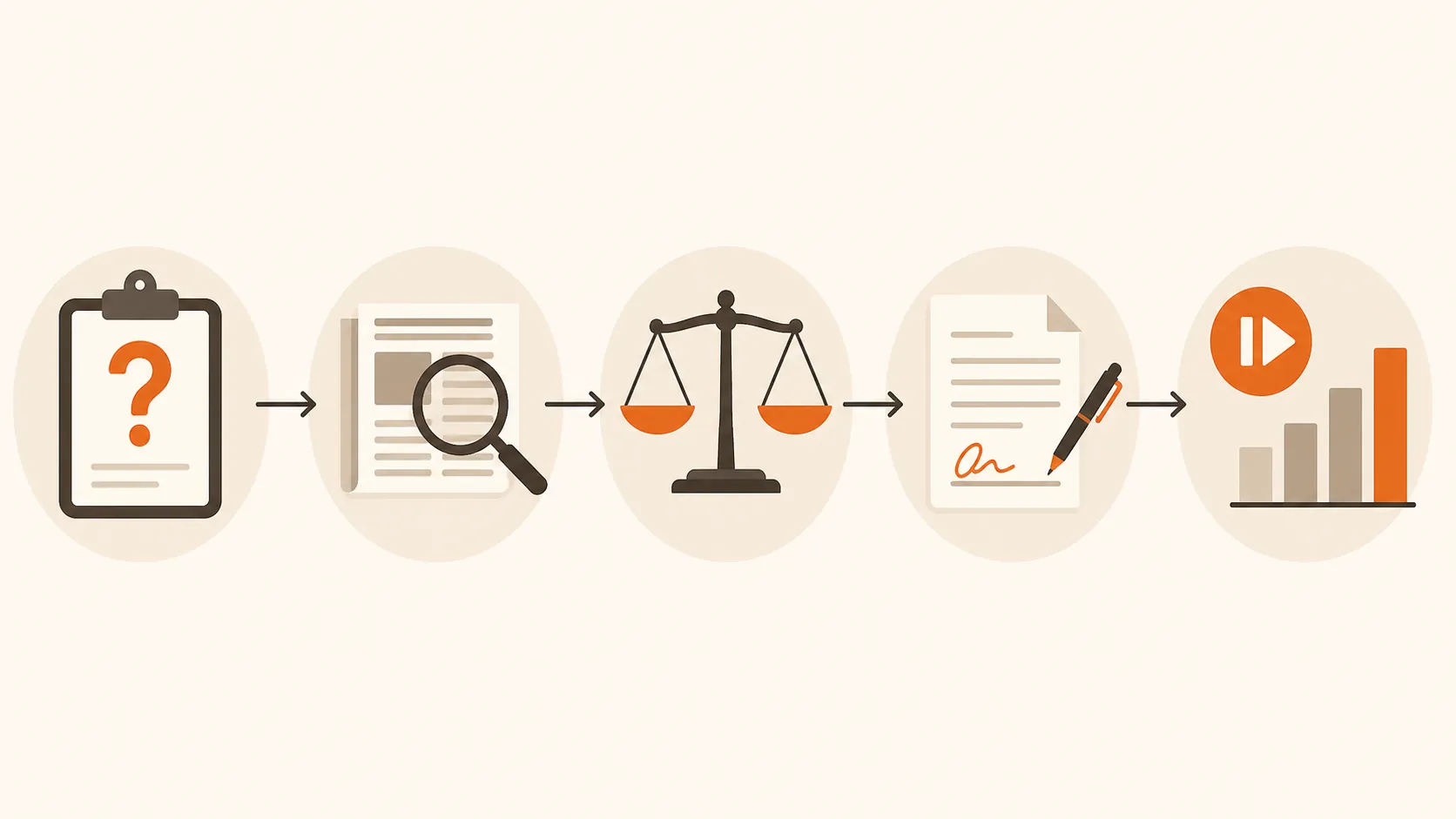
| Pre-flight question | What to document | Why it matters |
|---|---|---|
| What exactly are we putting into the asset? | The IP, partner, creator, spokesperson, character set, slogan, packaging, and any rights holder named or visually implied. | A vague “collab” label is not enough for risk review. The object has to be named. |
| What recent controversy exists? | Dated search notes, credible coverage, public statements, and local-market precedents from the last relevant window. | The Vancouver Park Board precedent would have belonged here for a Canadian Harry Potter review. |
| Does the controversy touch our brand values or customer base? | The specific overlap between the issue and the brand’s public commitments, employee base, customer communities, or market positioning. | Suitability is contextual. The same IP risk will not land the same way for every advertiser. |
| Who owns the signoff? | Named approval from the business owner, brand lead, legal or policy reviewer, communications lead, and paid-media owner where relevant. | If everyone assumes another team accepted the risk, no one has actually accepted it. |
| What is the spend gate? | A rule for holding scaled media until suitability review is complete, plus the date and version of the approved creative. | Launch risk becomes amplification risk when paid delivery begins. |
The first step sounds basic until a campaign has multiple asset versions. A press image, menu board, creator cutdown, paid social carousel, app tile, and in-store packaging can each carry a different level of association. The review should name what appears in the paid asset, not just what appears in the partnership deck.
The second step should be dated. “We checked sentiment” is not a useful control note. “On July 24, we reviewed recent coverage and found X, Y, and Z” is a control note. If the campaign later becomes a live issue, timestamped review shows whether the team missed an available signal, accepted a known risk, or encountered a genuinely new development.
The third step is where brand suitability earns its name. A controversy does not automatically make an IP unusable. It does mean the advertiser has to decide whether the controversy conflicts with its own commitments, the expectations it has set with customers, and the markets where the campaign will run. That decision belongs upstream of budget scaling, not inside a frantic comment-moderation thread after launch.
The fourth step is the one most teams skip because it creates friction. Name the owner. If partnerships approved the license, brand approved the creative, comms accepted the public-response risk, and paid media approved amplification, the record should say that. If paid media was not involved until trafficking, that should be visible too.
The final step is a scale gate. Small organic announcement first, paid support later, or limited-market testing before national amplification may or may not be appropriate for a given campaign. The important part is that spend does not scale while the suitability question is still informal.
This is the same review burden buyers already have with automation
The Tim Hortons case is a partnership example, but the operating pattern is familiar. Platform systems and partner systems can create, modify, distribute, or amplify things faster than internal reviewers can comfortably inspect them. That is why creative-layer defaults such as Meta’s Advantage+ Creative enhancements need per-asset guardrails, as in the site’s earlier piece on National Intern Day employer marketing. It is also why the lesson from the State Department AI map error and the dated tracker entry on that map blunder keeps coming back: review burden sits with the advertiser when the asset goes out under the advertiser’s name.
Compliance-heavy categories make the same point from another angle. The reverse-mortgage compliance benchmark is about platform defaults creating liabilities buyers have to manage rather than trust away. The Altman singularity ad-platform tracker applies the same dated-default mindset: know what the system will do unless someone challenges it.
Licensed IP deserves that same discipline. A platform may help you avoid bad adjacency. It will not tell you whether the partnership itself belongs in the campaign.
What buyers should not take from the Tim Hortons case
Do not turn the case into a fake performance benchmark. The public record cited here does not support claims about boycott size, Tim Hortons sales, store traffic, app orders, media spend, CPM changes, or platform delivery consequences.
Do not treat it as proof that every Harry Potter activation will produce the same reaction. The Vancouver precedent and July 2026 coverage show recurring suitability risk in Canada, not a universal forecast.
Do not call it a brand-safety tooling failure unless the claim is very narrow. If the ad later appears beside unsafe content, that would be a placement problem. The boycott coverage available through July 29 was about the brand’s chosen collaboration, not about where ads appeared.
The Q3 2026 paid-media takeaway
Before scaling co-branded, creator-linked, or licensed-IP creative, run suitability review on the asset and partnership itself. Identify the IP. Search for recent controversy and local-market precedent. Decide whether the issue touches the brand’s values or customer base. Document who owns signoff. Hold scaled media until that review is complete.
If the risky object is the campaign’s own licensed IP, brand-safety filters are downstream of the decision that mattered. Placement controls cannot protect a brand from a choice it has already greenlit.
References
- Brand Safety: Best Practices To Keep Your Brand’s Reputation Safe — Hootsuite, 2026.
- To celebrate Back to Hogwarts, Tim Hortons is launching a Harry Potter-inspired menu — Tim Hortons Newsroom, July 27, 2026.
- Harry Potter x Tim Hortons July 28 statement — Egale Canada, July 28, 2026.
- Tim Hortons Harry Potter J.K. Rowling — CBC.
- Tim Horton Harry Potter collab backlash — PinkNews, July 29, 2026.
- ‘Funding transphobia’: New Tim Hortons Harry Potter menu sparks backlash — Yahoo News Canada.
- Vancouver Park Board Harry Potter Forbidden Forest event apology J.K. Rowling — CBC, October 10, 2025.
- Orange Egypt boycott study — Frontiers in Communication, 2026.
Built on this evidence
No Bidding tactic or Creative record currently cites this case file. Compare it against other results in Benchmarks.
Related benchmark reading
Report a corroborating or contradicting result
Seeing something different in your own account? Feed the data-integrity loop instead of leaving an open comment.