
Taco Bell's 2026 Dollar Menu Paid Ad Strategy
An analysis of Taco Bell's January 2026 Luxe Value Menu paid campaign across TV, social, experiential, and owned-app channels, including the creative strategy, channel mix decisions, and measurable outcomes performance marketers can learn from.
- Platform
- TikTok
- Campaign type
- Brand Awareness
- Spend range
- $0M-$100M
- Timeframe
- January 0
- CPA
- Unmeasured
- Verdict
- mixed
- Industry vertical
- Fast Food
- Last reviewed
- 0-07-25
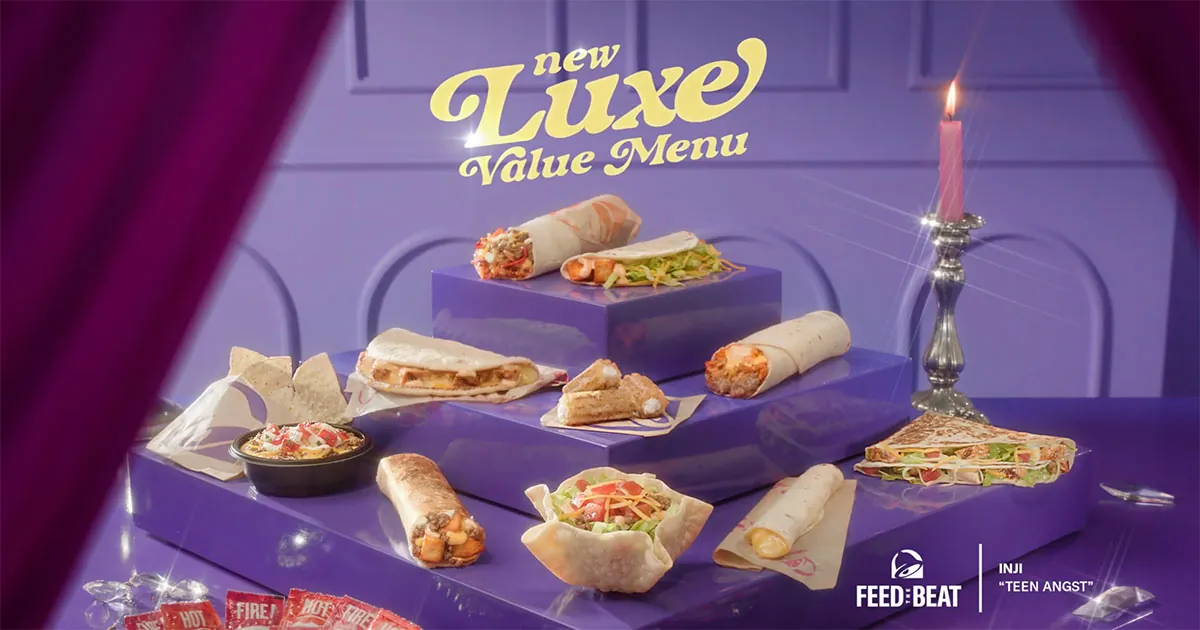
Taco Bell’s January 2026 Luxe Value Menu campaign made a risky bet for a value offer: it refused to look cheap. The menu launched on January 22 with 10 items priced at $3 or less, including five new additions, and the advertising dressed that constraint in silver cloches, white-tablecloth service cues, champagne-flute absurdity, and a fictional luxury concierge called the “Luxierge.”[1][2] For anyone studying a Taco Bell dollar menu paid advertising campaign strategy, that contrast is the point. The campaign did not try to make low price feel apologetic. It tried to make low price feel staged.
That is more interesting than another discount spot with a price superscript. Value-menu media can train customers to wait for deals, especially when the creative language says “cheap” as loudly as the offer does. Taco Bell’s choice was to keep the price hard and the presentation elevated, then spread that joke across national TV, social, experiential, and owned app surfaces instead of asking one hero asset to do every job.
The Offer Was Value; the Codes Were Luxury
The product fact was blunt: a 10-item Luxe Value Menu, all at $3 or less.[1] The creative wrapper was deliberately overwrought. Campaign US reported that Deutsch created the campaign, including a 30-second “Meet the Luxierge” TV spot that introduced the luxury-service conceit around a fast-food value menu.[2] The useful lesson is not that “premium” is always better than bargain language. It is that Taco Bell chose a premium frame that could protect appetite appeal while still letting the price do performance work.
That matters because value campaigns often fail at the brand-perception layer before the media plan even gets a chance to work. If the creative says clearance rack and the audience already knows the brand as playful, indulgent, and culturally fluent, the campaign may win attention while weakening the next full-price occasion. Taco Bell avoided that trap by making the contradiction visible: low price presented as fake high ceremony.
The joke also gave each channel something to carry. TV could introduce the Luxierge world quickly. Social could exaggerate the codes in platform-native ways. Experiential could make the drive-thru feel like a tasting room. The app could turn the attention into Rewards behavior. Those are different jobs, and the campaign appears to have treated them that way.
The Channel Mix Worked Like a Paid-to-Owned Funnel
The strongest read of the campaign is not “Taco Bell made a funny ad.” It is that the luxury-value idea was placed where each surface could carry a different amount of attention, proof, participation, and conversion. National TV gave the campaign shared reach. Social gave it format-native repetition. The Traitors integration and Los Angeles drive-thru activation gave the idea cultural texture. Rewards and app mechanics gave Taco Bell a place to capture demand it could actually recognize.
| Surface | Campaign Role | What Public Sources Support |
|---|---|---|
| National TV | Introduce the luxury-value platform at broad reach | Deutsch created the campaign and a 30-second “Meet the Luxierge” TV spot.[2] |
| Social | Translate the idea into platform-specific content rather than TV cutdowns | Campaign US reported bespoke social by platform, handled by Taco Bell’s in-house team with Deutsch and Biite.[2] |
| Entertainment integration | Put the premium-service joke inside a culturally relevant viewing environment | A custom integration appeared on the January 22 episode of The Traitors.[3] |
| Experiential | Make the drive-thru itself perform the luxury contrast | The “Laps of Luxury” LA tasting activation used Resy reservations and a drive-thru tasting format.[3] |
| Owned app and Rewards | Move value interest into an addressable conversion path | The launch included Rewards early access from January 16–21 and a $1 Tuesday Drop for 30,000 members.[1] |
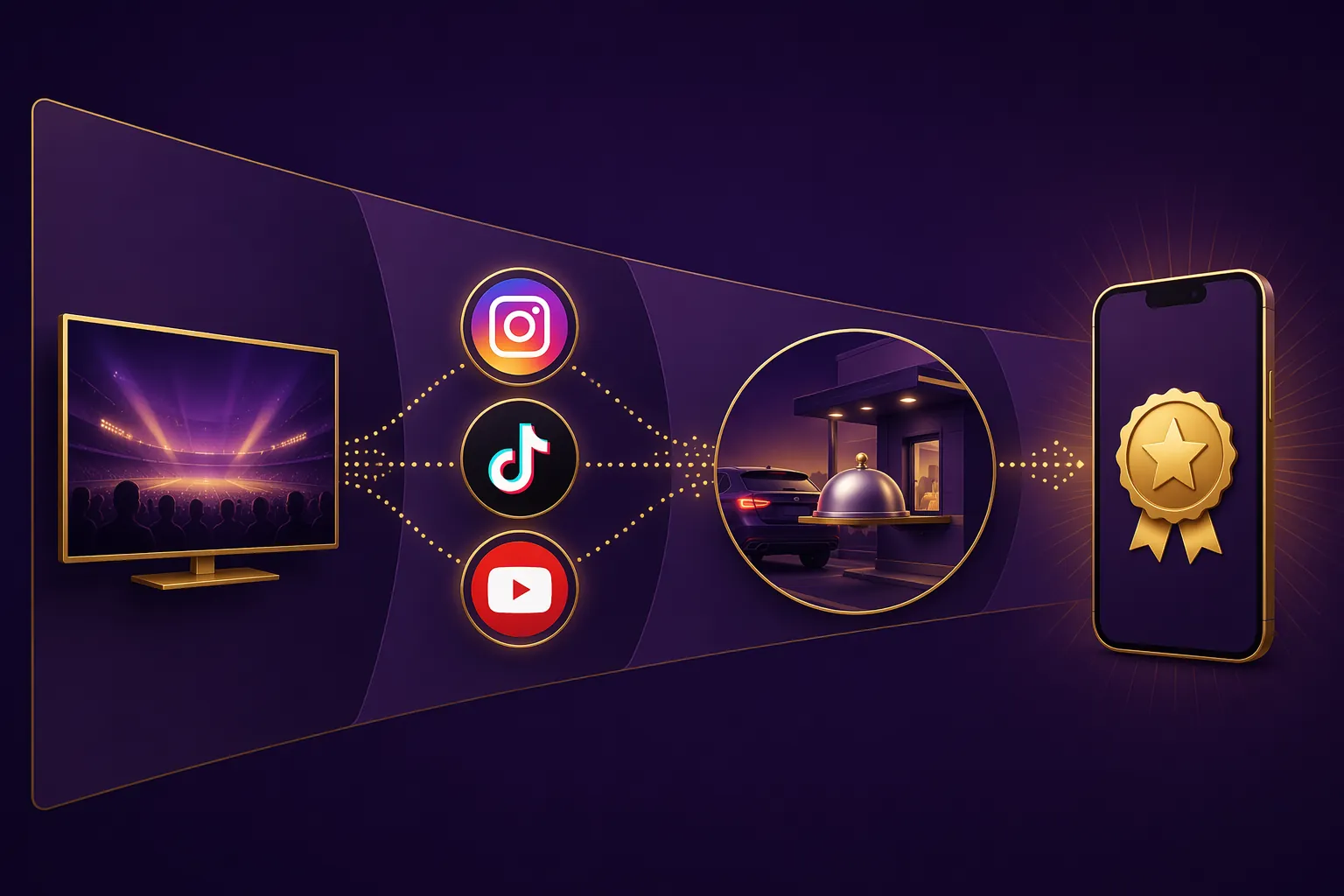
This is where the media plan becomes more defensible than the spectacle. A luxury-coded value menu can earn a laugh, but a laugh does not pay the media bill. The conversion surface has to live somewhere. In this case, Taco Bell gave the offer an owned path before and during launch: Rewards early access from January 16 through January 21, followed by a $1 Tuesday Drop limited to 30,000 members.[1] That does not prove incremental order lift. It does show the campaign was not relying only on passive awareness.
TV Set the Stage, but Social Did Not Behave Like Leftover Inventory
The discipline in the campaign shows up in how the idea traveled. Campaign US reported that Taco Bell did not simply cut down the TV spot for social; the brand created bespoke social content for each platform, with work handled by a nine-person in-house social team alongside Deutsch and Biite.[2] That detail is easy to skim past. It is also one of the clearest signals that the campaign was built with media behavior in mind.
A 30-second spot can afford setup. A social asset often cannot. On TikTok, the luxury bit has to land inside the first gesture, not after a traditional reveal. On Instagram, the visual excess can carry more of the load. On YouTube, the brand may have more room to connect the absurd service language to the actual menu. Public reporting does not provide the asset-by-asset performance, but the production model matters: different placements received different creative executions rather than a single master asset resized into compliance.
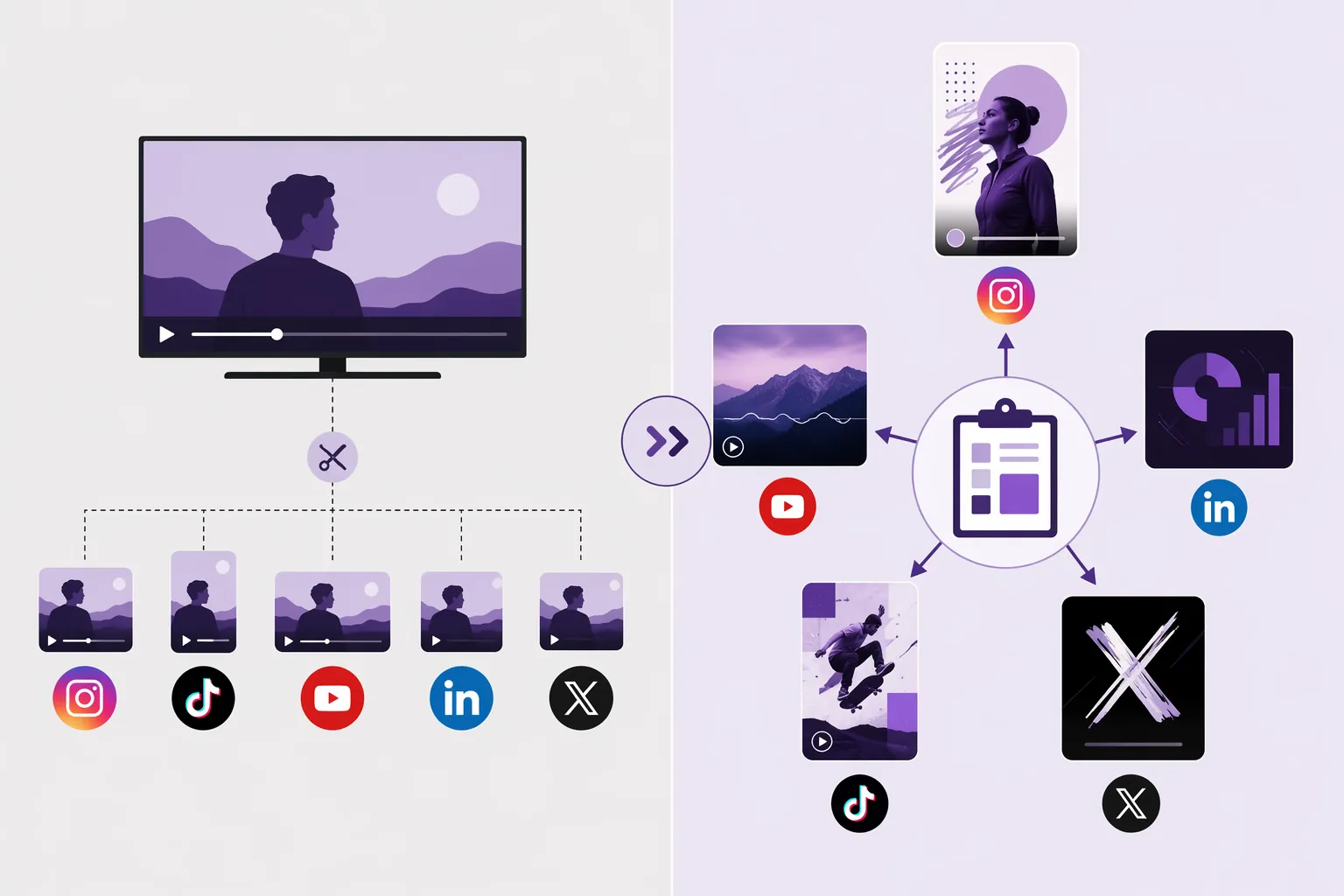
Marketing Brew had already reported in November 2025 that Taco Bell’s social operation emphasized bespoke content per platform and maintained a nine-person in-house social team.[4] The Luxe Value Menu campaign looks like that operating model applied to a paid-value push. For performance buyers, the point is practical: platform-native creative is not a garnish after the media budget is approved. It changes what the same audience is being asked to notice, save, share, or act on.
That does not mean every brand needs a nine-person social team to sell a low-price menu. It does mean “integrated campaign” is too soft a phrase for what has to happen operationally. Someone has to decide which parts of the campaign idea survive in six seconds, which parts deserve a creator-style format, which parts need the brand account’s voice, and which parts should never leave the TV script.
The Traitors and the Drive-Thru Activation Added Texture, Not the Main KPI
The campaign’s entertainment and experiential pieces were well matched to the creative idea. Adweek reported a custom integration on the January 22 episode of The Traitors, timed to the menu launch, and a “Laps of Luxury” drive-thru tasting experience in Los Angeles that used Resy reservations.[3] Those placements made the luxury-value contrast physical and cultural rather than only verbal.
The Traitors integration gave Taco Bell a context already comfortable with theatricality, status games, and heightened presentation. The LA tasting activation made the drive-thru itself part of the joke: fast-food access styled like an exclusive reservation. Those are smart brand moves because they give journalists, creators, and fans something more specific to talk about than “new value menu.”
Still, those pieces should not be mistaken for the whole performance system. They are attention multipliers and narrative proof points. Unless the brand releases reservation-to-order behavior, app sign-ups from activation exposure, or geo-lift tied to the event market, they remain campaign texture rather than conversion evidence. That is not a criticism of the work. It is a measurement boundary.
The App Funnel Is Where the Value Strategy Gets More Serious
The Rewards mechanics change the campaign’s meaning for performance marketers. A value menu promoted only through paid reach can produce a rush of low-margin, hard-to-attribute behavior. A value menu attached to app access, member drops, and owned ordering surfaces can use the same price hook to deepen a customer file.
Taco Bell gave Rewards members early access from January 16 to January 21 before the broader January 22 launch, then used a $1 Tuesday Drop for 30,000 members.[1] Those mechanics do several jobs at once. They reward existing members, create a reason to open the app before the campaign’s public launch, and make the price promotion feel like access rather than blanket discounting.
That distinction matters in a budget meeting. If the campaign only buys national attention for a $3-or-less menu, the media buyer has to defend the spend against store traffic or sales results that may be noisy. If the campaign also pushes customers into Rewards behavior, the buyer can at least argue that some value is being captured on an owned surface where future messaging, frequency, and ordering behavior are more controllable.
Public sources do not provide the campaign’s app conversion rate, incremental app orders, cost per new Rewards member, or repeat-order behavior. Those are the numbers that would separate a clever value campaign from a proven performance engine. But structurally, the funnel is stronger because the app is not an afterthought sitting at the end of a TV campaign. It is part of the offer design.
Spend Context Helps, but It Does Not Solve Attribution
MediaRadar’s advertiser profile reports that Taco Bell spent under $100 million across digital and national TV combined, across under 50 media properties, with spend down year over year.[5] That is useful context because it places the campaign inside a large but not unlimited paid-media operation. It also keeps the discussion from pretending the campaign was only an organic social phenomenon.
There is a spend-scope caveat. The research record also flags a higher IIDE case-study figure above $100 million, likely because that estimate may include channels such as print or out-of-home that MediaRadar’s digital-plus-national-TV scope does not capture. For a campaign analysis, the more responsible move is not to pick the bigger number. It is to state what each figure appears to measure and avoid turning spend estimates into performance claims.
Adjacent restaurant advertising benchmarks can help a marketer think about what they would compare against, but they should not be backfilled into Taco Bell’s results. Valley Marketing Group’s 2026 restaurant benchmarks list Google Ads CPC at $2.05, CPL at $30.57, and Facebook CPC at $1.72.[6] Those are category reference points, not evidence that Taco Bell paid those rates or achieved those outcomes.
The same restraint applies to broader brand performance. Yum Brands’ same-store sales or digital-engagement commentary may indicate that Taco Bell entered 2026 with momentum, but those figures do not isolate the January Luxe Value Menu campaign. They should be treated as business context, not attribution.
What the Campaign Proves, and What It Does Not
The public evidence supports a clear creative and media-planning conclusion: Taco Bell built a value-menu campaign where the low-price offer, premium creative codes, platform-specific social production, experiential extensions, and owned-app mechanics worked from the same strategic idea. The campaign did not merely advertise a menu. It gave the menu a social and cultural shape that made the price feel more entertaining than desperate.
The public evidence does not support a ROAS claim. It does not reveal CPA, CTR, incremental sales lift, app conversion rate, Rewards acquisition cost, or paid-versus-owned contribution. Those missing numbers matter. A campaign can be culturally sharp and still underperform in paid media. A campaign can earn coverage and still fail to move profitable behavior. There is no need to pretend those gaps are filled.
For restaurant and retail marketers, the usable lesson is narrower and more durable: premium creative can sell low prices without making the brand feel cheap when the media plan and the conversion path are designed together. Taco Bell’s Luxe Value Menu campaign is strongest as a model of creative-media alignment, not as a published proof of value-menu ROAS.
The cloches, quartets, and tasting-room drive-thru earned attention because they made the value message worth looking at. The app and Rewards mechanics made that attention more useful because they gave customers somewhere measurable to go. Without that owned surface, the campaign would be easier to admire and harder to defend.
References
- The Era of Value: Taco Bell Launches All-New Luxe Value Menu, Yahoo Finance, January 2026.
- Taco Bell’s new platform turns its latest value menu into high-end luxury, Campaign US.
- Taco Bell Turns the Drive-Thru Into a Luxury Tasting Experience, Adweek.
- Taco Bell social media strategy, Marketing Brew, November 18, 2025.
- Taco Bell Advertising Profile, MediaRadar.
- Restaurant Google Ads Cost Per Lead 2026, Valley Marketing Group.
Built on this evidence
No Bidding tactic or Creative record currently cites this case file. Compare it against other results in Benchmarks.
Related benchmark reading
Report a corroborating or contradicting result
Seeing something different in your own account? Feed the data-integrity loop instead of leaving an open comment.