
What Taco Bell's $1 deal reveals about crisis advertising
This case study examines Taco Bell's one-day $1 Enchirito flash deal, launched 12 days after the cyclospora outbreak, as a measurable crisis-recovery advertising strategy. It uses traffic, stock, and trust data to show how discount depth, channel mix, and safety messaging were coordinated, with implications for QSR and CPG media buyers modeling their own crisis response.
- Platform
- Meta Ads
- Campaign type
- Flash Promotion
- Spend range
- Under $0k
- Timeframe
- 0-07-22
- CPA
- 0%
- Verdict
- mixed result
- Industry vertical
- QSR
- Last reviewed
- 0-07-23
Taco Bell’s most visible post-cyclospora advertising move was not a national TV apology tour or a broad paid-social blitz. It was a one-day $1 Enchirito flash deal on July 22, 2026: a $4.29 item cut by about 76%, distributed through Taco Bell Rewards, pushed primarily through social and app channels, and paired on the promotion page with a link to the company’s food-safety statement.[1]
That timing matters. The offer arrived 12 days after the CDC linked Taco Bell to the cyclospora outbreak and after traffic trackers, investor reaction, and brand-trust data had already made the damage visible.[1][2][3] For anyone modeling crisis-response media, the question is not whether a cheap Enchirito can repair a food-safety scare. It is what Taco Bell chose to make measurable: discount depth, audience control, channel exposure, safety reassurance, and the next traffic window.
The Deal Was Deep, But Contained
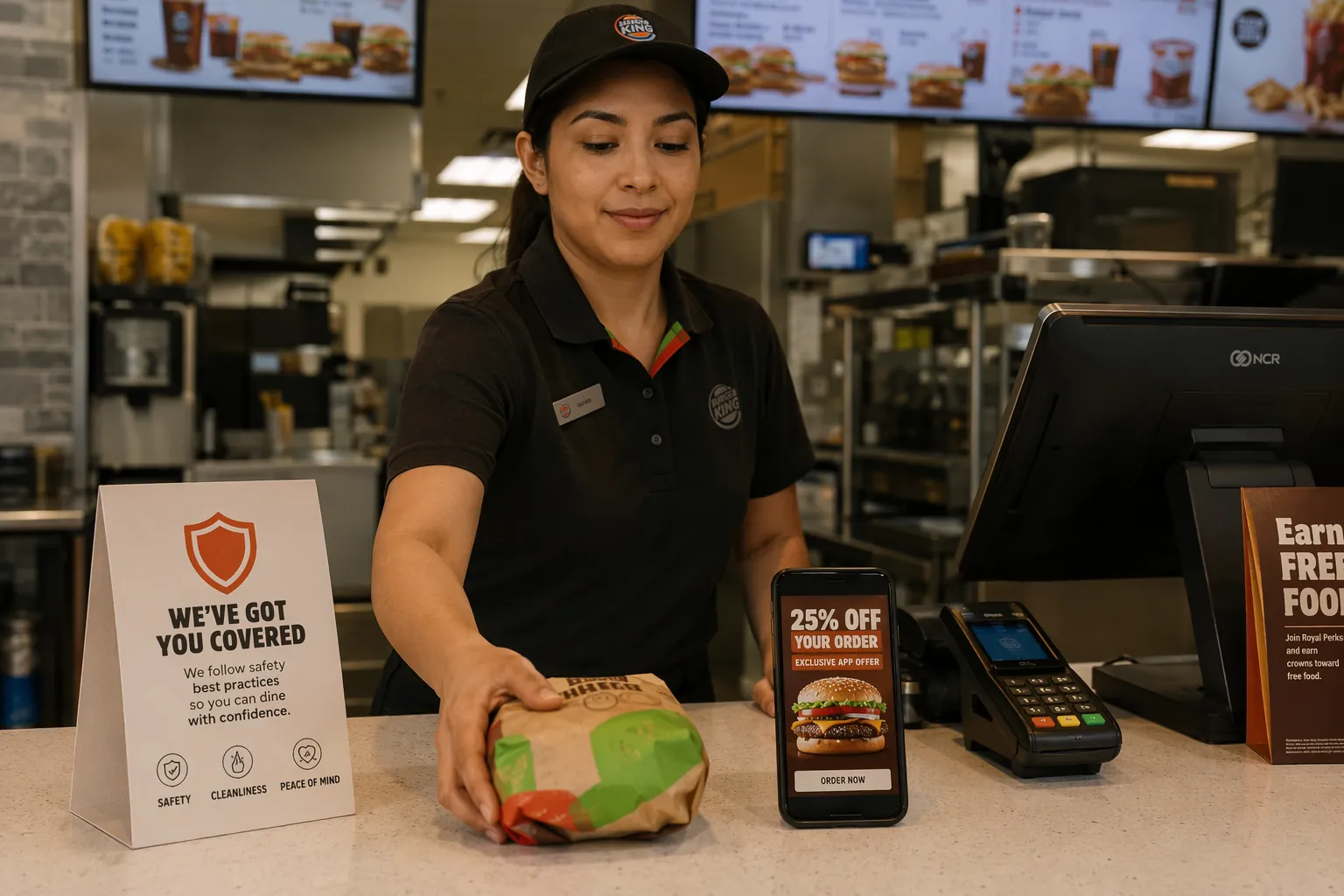
A 76% discount is not a soft nudge. It is a traffic device. But Taco Bell did not put that price cut everywhere. The $1 Enchirito was available for one day through the rewards program, which made the promotion easier to cap, easier to attribute, and less likely to look like the brand was buying back the whole market at any cost.[1]
The item choice also helped. The Enchirito gave Taco Bell a product with built-in fan recognition while avoiding the most sensitive ingredient in the outbreak discussion: iceberg lettuce. The promotion did not ask customers to immediately reconsider the exact product cue associated with the crisis. It gave them a low-friction reason to reopen the app, reconsider the brand, and perhaps place an order without turning the creative into a debate over lettuce.
That distinction matters for advertising strategy. A food-safety recovery offer has to create action without accidentally amplifying the risk cue. A mass-market “we’re back” message can expand reach, but it also expands the audience for every reply, quote-post, and news-cycle reminder. A rewards-only deal gives the brand a narrower re-entry lane: people who already have enough brand affinity to be in the app, enough purchase history to be worth reactivating, and enough behavioral signal to measure.
Why The Channel Mix Looked Like Risk Control
The most important media decision may have been what Taco Bell apparently did not do. The deal was social-first and app-based, with no reported traditional TV or display support behind the offer.[1] Because Taco Bell has not disclosed an actual paid-media reallocation, that restraint should be read from the visible channel mix rather than treated as a confirmed budget move.
Still, the channel choice is instructive. Owned and semi-owned surfaces let a brand move fast without committing to a large reach buy before it knows whether customers are ready to come back. App placement can be changed quickly. Social posts can be monitored in real time. Rewards redemption gives the CRM team a cleaner read than a coupon code floating across the open web.
For a QSR team, this is the difference between reopening demand and declaring victory. The former asks a smaller, warmer audience to take a measurable action. The latter risks forcing a broad reassurance message into feeds before operations, legal, and food-safety teams are aligned on what the brand can safely say.
The Safety Link Was Part Of The Ad Unit
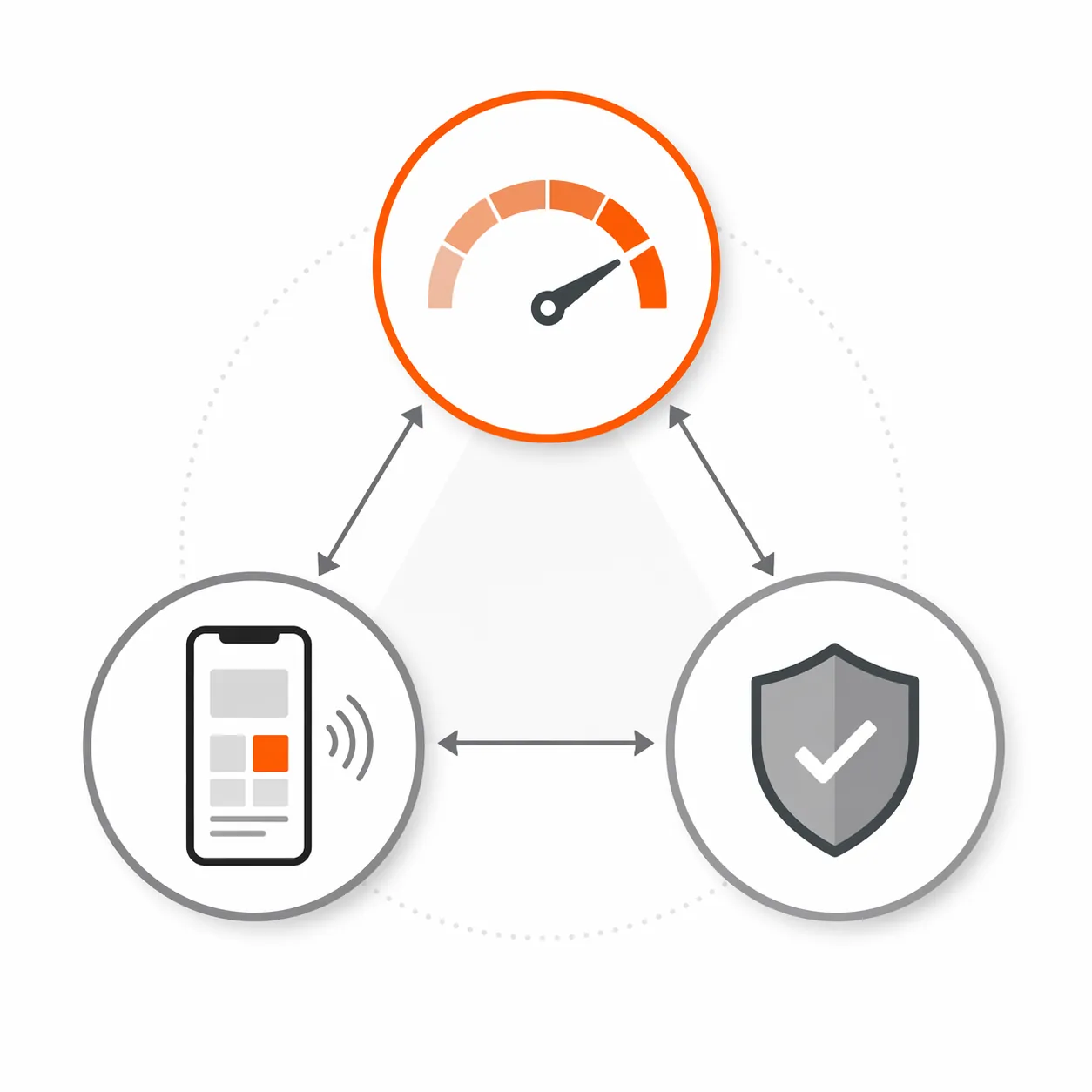
The safety-statement link on the promotion page should not be treated as a legal footnote. In this context, it was part of the conversion path.[1] A customer who clicked for the $1 deal could also reach Taco Bell’s food-safety message from the same surface. That pairing matters because the objection and the incentive were sitting next to each other.
During a normal value promotion, the landing page can stay simple: price, item, eligibility, expiration. During a food-safety event, the landing page has to carry a second job. It must let the customer find reassurance without making the creative itself sound defensive. Taco Bell’s setup kept the offer legible while giving cautious customers a route to more information.
That is different from burying a safety statement in a newsroom tab and different from putting a long explanation inside every ad. It recognizes that the person most likely to reconsider a visit is not always looking for a press release. Sometimes they are looking at a deal, hesitating, and deciding whether the brand has done enough to deserve the order.
The Available Signals Do Not Yet Tell One Clean Story
The traffic damage was real, but the exact number depends on the comparison window. Placer.ai figures cited across coverage put Taco Bell’s traffic decline in a broad range, from roughly 19% to 31% at the trough, with one cited figure at 29.8%.[2] Those are not interchangeable numbers. For media planning, a 19% decline and a 31% decline imply different recovery budgets, different incentive pressure, and different patience from finance.
| Signal | What It Shows | How Much Weight To Put On It |
|---|---|---|
| Placer.ai traffic decline | Visits fell sharply, with cited trough estimates ranging from about 19% to 31%. | Useful for sizing demand shock, but sensitive to baseline selection. |
| Yum! Brands market-cap and stock reaction | Yum! Brands lost about $4.3 billion in market value and was down roughly 10% before the promotion. | Useful as an investor-confidence signal, not a direct measure of restaurant recovery. |
| Morning Consult trust erosion | Consumer trust scores fell after the outbreak coverage. | Useful directional brand-health evidence, but the cited figures need primary-source verification. |
| Competitive traffic contagion | Other chains saw visit declines despite no direct outbreak link. | Useful reminder that consumer risk perception can spread beyond the named brand. |
| Promotion redemption and post-deal visits | Not yet available as of publication. | Required before calling the $1 Enchirito promotion effective. |
The capital-market signal was also severe. Reuters reported that Yum! Brands had lost about $4.3 billion in market value, with the stock down roughly 10% before the promotion, while analysts expected the damage to be short-term if the company executed quickly.[3] That is useful context, but it should not be confused with store-level demand. A stock recovery can reflect investor relief, analyst expectations, or broader market movement before it reflects a recovered lunch rush.
Trust data adds another layer. Investing.com cited Morning Consult data showing erosion in Taco Bell’s consumer trust after the outbreak, though the figures need primary-source verification before they should be used as a hard benchmark in a media model.[4] Directionally, the point is still important: traffic can rebound faster than comfort, and a discount can create a visit before it fully repairs the brand.
The category effect was not limited to Taco Bell. Restaurant Business reported traffic declines at other chains, including a 24% drop at Chopt and a 19% drop at Subway, despite those brands not being directly linked to the outbreak.[5] That contagion effect changes the job for media buyers across the category. A brand does not need to be named in the outbreak to inherit some of the consumer hesitation.
The July 19 Reversal Complicates The Blame Narrative
The hardest part of this case is attribution. On July 19, the FDA false-positive reversal complicated the early understanding of the outbreak linkage and supplier-source responsibility.[6] That does not erase Taco Bell’s responsibility to reassure customers. It does make a simple “brand caused crisis, brand buys back trust” story too blunt.
The chain still carried the visible consumer consequence: traffic fell, trust weakened, and investors reacted. But the operational cause sat inside a more complicated supply-chain and regulatory sequence. For advertising teams, that matters because the message cannot overstate certainty. A brand can say what it has changed, what it has removed, what it is monitoring, and where customers can read more. It should be careful about claiming a neat causal closure before the underlying facts have settled.
That is another reason the $1 Enchirito mechanic is interesting. It did not require Taco Bell to turn the whole campaign into a litigated explanation of the outbreak. It created a contained purchase invitation while keeping the safety message accessible. That is a narrower, more controllable move than trying to win the entire public argument through paid reach.
What The Comparisons Add, And What They Do Not
Other QSR and fast-casual brands offer useful creative references, but they should stay in their lane. Sweetgreen’s precautionary “no iceberg lettuce” email and Chipotle’s app notification show how safety messaging can be moved into customer-facing CRM and owned-channel surfaces without waiting for a full paid-media campaign.[7] Those examples are most useful as format benchmarks: short, direct, close to the transaction, and easy to update.
Chipotle’s 2015 food-safety crisis is the larger precedent, but it is not a one-to-one template. Analysts cited by Reuters and Adweek pointed to Chipotle’s multi-quarter recovery as a reference point while also noting that Taco Bell moved faster in this case.[3][8] The speed difference matters. A 2026 recovery program has more app infrastructure, more CRM reach, and more real-time traffic visibility than a 2015 playbook did.
That does not mean Taco Bell has solved the trust problem faster. It means Taco Bell made the first measurable advertising move faster. Those are different claims, and the second is the one the current evidence supports.
What Media Buyers Can Responsibly Borrow
The useful benchmark is not “run a massive discount after a crisis.” It is the coordination pattern: a deep but timeboxed incentive, distributed through a controllable channel, attached to a safety-information path, and measured against dated traffic and trust signals.
- Use discount depth to reopen behavior, not to pretend the issue has disappeared.
- Keep the first recovery audience close enough to measure, such as rewards members, app users, or recent buyers.
- Place safety information near the conversion path instead of isolating it in corporate communications.
- Separate traffic recovery, trust recovery, and investor recovery in reporting.
- Do not call the promotion effective until redemption, visit lift, or management commentary supports that claim.
For CPG teams, the same logic applies even when the transaction does not happen in a brand-owned app. The controlled surface may be retailer media, loyalty email, a limited coupon audience, or a retail partner page with updated safety language. The key is not the Taco Bell app itself. The key is the ability to limit exposure, observe response, and avoid separating the incentive from the reassurance.
The caution is budget discipline. Because Taco Bell’s actual paid-media reallocation has not been disclosed, the case should not be used to justify a specific spend mix. It supports a sequence: owned and social surfaces first, measurable incentive second, broader paid reach only after the brand can see whether customers are moving back.
The Verdict Is Still Pending
As of publication, the $1 Enchirito deal is a useful benchmark for crisis-recovery advertising because it shows a promotion built around measurable constraints rather than broad reassurance alone. The discount was large enough to affect behavior, narrow enough to control, and close enough to safety messaging to acknowledge the reason customers were hesitating.
What it does not yet show is recovery. The promotion’s own traffic impact, app redemption volume, and incremental lift had not been publicly measured by the publication date. Yum! Brands’ Q2 earnings call on July 30, 2026 may add management commentary or performance data that changes the read.[3]
Until then, the cleanest judgment is narrow: Taco Bell’s $1 Enchirito was a disciplined re-entry tactic under messy attribution conditions. It deserves to be studied as crisis-recovery advertising. It does not yet deserve to be scored as a proven traffic recovery.
References
- USA Today, July 22, 2026, deal details and safety statement
- Forbes, July 20, 2026, Roeloffs report on Placer.ai traffic data
- Reuters, July 22, 2026, analyst predictions and Yum stock impact
- Investing.com, July 22, 2026, Morning Consult trust data
- Restaurant Business, July 20, 2026, competitive traffic contagion data
- Paul Walker, LinkedIn/Pulse, July 22, 2026, attribution problem analysis
- eMarketer, July 22, 2026, crisis-as-retention-play analysis
- Adweek, July 22, 2026, Chipotle lessons comparison
Built on this evidence
No Bidding tactic or Creative record currently cites this case file. Compare it against other results in Benchmarks.
Related benchmark reading
Report a corroborating or contradicting result
Seeing something different in your own account? Feed the data-integrity loop instead of leaving an open comment.