
What Reebok's Tennis Endorsement Deals Actually Cost
Reebok's tennis endorsement history runs from a multimillion-dollar bet on 17-year-old Michael Chang to the reported $40M Venus Williams deal and a deliberately low-cost 2026 re-entry with Magdalena Frech. This dated, priced ledger shows why reported deal price was never proof of performance — and what that means for judging ambassador budgets in 2026.
- Platform
- Reebok
- Creative type
- athlete endorsement
- Last reviewed
- 0-07-31
For anyone trying to judge an athlete sponsorship deal, Reebok’s tennis shoe endorsement ad strategy is most useful when it is treated as a priced record, not as a success story. The reported numbers show what the brand was willing to risk in different eras. They do not show distribution, sell-through, margin, creative performance, or whether the deal paid for itself.
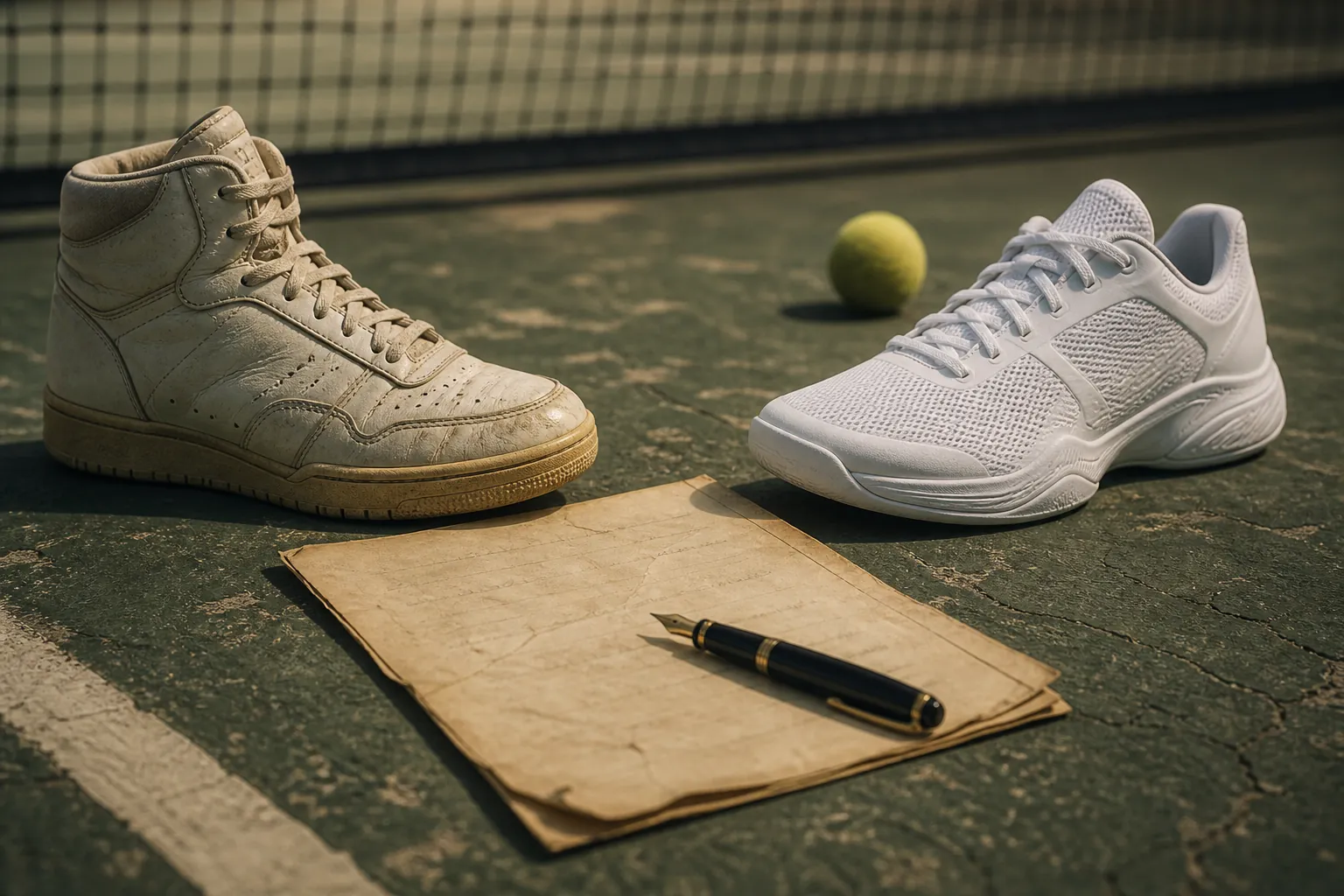
The priced ledger: Reebok tennis endorsements, 1988–2026
| Date | Athlete / deal | Reported price | Contract and product context | What the record can prove |
|---|---|---|---|---|
| 1988 | Michael Chang signs with Reebok as a 17-year-old | Reported as a multimillion-dollar deal | Pre-major-title performance bet; Chang wore Reebok Court Victory Pumps through his 1989 French Open title run. | Reebok was willing to buy early athlete upside before the Grand Slam proof arrived. It does not prove the shoe line’s return. Sources: Wikipedia; Forbes. [1][2] |
| 1995 | Venus Williams signs with Reebok | Reported $12 million | Historic hero endorsement and visibility play; the deal has been described as the first eight-figure endorsement for a Black female athlete. | The deal can be read as a market-presence and cultural-signaling commitment. It does not provide a measured sales-lift record. Sources: New York Times; ESPN; Complex. [3][4][5] |
| December 2000 | Venus Williams re-signs with Reebok | Reported $40 million over five years | Then described as the largest deal ever signed by a female athlete. | The number establishes Reebok’s willingness to pay for peak female-athlete visibility. It does not disclose audited spend or incremental return. Sources: New York Times; ESPN; Complex. [3][4][5] |
| January 2004 onward | Venus Williams plays without a Reebok contract | No active Reebok deal cited in the available record | The high-priced hero-deal period gives way to absence rather than an obvious performance-tennis compounding path. | The end of the visible relationship matters for budget review because a famous deal did not preserve an always-on tennis franchise by itself. Sources: Sports Business Journal; Women’s Tennis Blog. [6][7] |
| 2005 | Reebok nears a deal with U.S. teen Scoville Jenkins | Roughly $300,000 over three years | Jenkins was reported as world No. 274; a Fila scout publicly called the offer overpriced. | A smaller number can still be strategically expensive if the athlete-market fit and ranking context do not support the bet. Source: Sports Business Journal. [6] |
| 2026 | Magdalena Frech becomes the face of Reebok’s return to performance tennis | No large public endorsement value in the cited record; tied to a $130 Phase Evo shoe | Top-50 WTA player; public May 2026 announcement; Women’s Tennis Blog reported she had been wearing Reebok on court since late February 2026. | This is the cleanest modern activation record: athlete, product, launch window, and price point are all checkable. Sources: Forbes; Sports Illustrated; Women’s Tennis Blog. [2][7][8] |
The ledger is not tidy because endorsement markets are not tidy. The largest reported numbers belong to the Venus Williams era. The oddest number may be Jenkins, where a roughly $300,000 offer was small beside the Williams contracts but still drew public skepticism because of ranking and prospect context. The 2026 Frech record is less glamorous, but it is cleaner for a budget owner: athlete, shoe, launch date, and retail price can all be checked against a real activation.
Chang was the early-upside bet
The Chang deal is the one that still tempts a marketer into a clean story. Reebok reportedly signed him in 1988, when he was 17. In 1989, he won the French Open while wearing Reebok Court Victory Pumps, giving the brand the kind of athlete-product memory every sponsorship deck wants to put on slide two.[1][2]
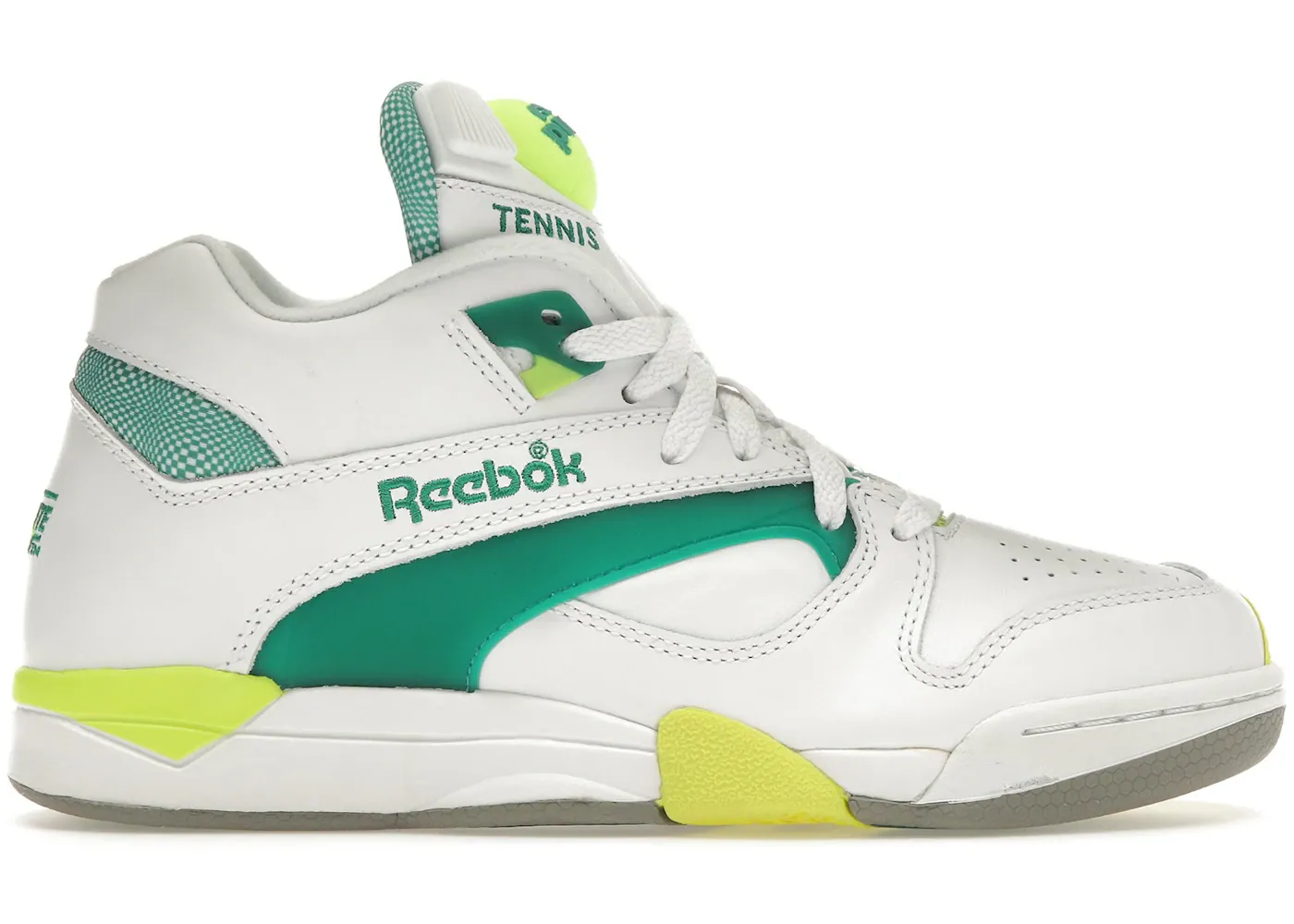
As an ad strategy, that is a performance bet made before the decisive performance event. The contract is not a post-title victory lap. It is a young-athlete underwriting decision that happened to meet a Grand Slam moment almost immediately afterward.
That distinction matters. Chang’s 1989 title can prove that the product had tournament visibility at exactly the right time. It can prove that Reebok bought into an athlete before the broader public market fully had to. It cannot, from the cited record, prove the margin return on the deal, the incremental unit sales of the Court Victory Pump, the durability of the creative, or the opportunity cost versus buying more media. The famous match memory is an asset. It is not an audited ROI model.
Venus was visibility at a historic scale
The Venus Williams deals sit in a different category. The reported $12 million 1995 Reebok deal has been described as the first eight-figure endorsement for a Black female athlete, and the reported December 2000 re-signing at $40 million over five years was described at the time as the largest deal ever signed by a female athlete.[3][4][5]
That was not merely a tennis-shoe placement. It was a hero endorsement built around a generational athlete at the intersection of sport, celebrity, race, gender, fashion, and broadcast visibility. Flattening those deals into “Reebok spent $12 million, then $40 million” misses why they mattered.
It also misses the measurement problem. Historic cultural significance can justify brand attention, board-level confidence, and retailer interest. It does not automatically answer the media buyer’s next question: what changed because of the spend, compared with the next-best use of that money?
The cited record also complicates any simple compounding story. By January 2004, Venus was reported to be playing without a Reebok contract, and later accounts of Reebok’s tennis return describe the brand as having faded from performance tennis before the 2026 relaunch.[6][7][2] That does not erase the meaning of the Williams deals. It does make them weak evidence for a claim that expensive hero endorsements, by themselves, build a durable performance-tennis channel.
Jenkins is the uncomfortable comp
The Scoville Jenkins item is useful precisely because the number is not huge. In 2005, Sports Business Journal reported that Reebok was near a roughly $300,000, three-year deal with Jenkins, then listed at world No. 274. The same report quoted a Fila scout calling the offer overpriced.[6]
That is the line item a budget review should not skip. A deal can look disciplined next to a $40 million superstar contract and still be hard to defend against the actual market context. The problem is not only absolute price. It is the relationship between the price, the athlete’s reachable audience, the product plan, and the evidence the brand can collect after launch.
Jenkins also shows why “cheap compared with Venus” is not a strategy. If the athlete does not give the product a credible route to attention, distribution support, or measurable activation, the smaller check is merely a smaller unsupported bet.
Frech and Phase Evo look like the 2026 version of discipline
Reebok’s 2026 tennis re-entry comes after a long corporate and category gap. Forbes frames the Phase Evo launch against Reebok’s sale from adidas to Authentic Brands Group in March 2022, after adidas ownership that began in 2006.[2] That context is enough; the budget question is not Reebok corporate history. It is whether the new tennis activation is easier to measure than the old hero deals.
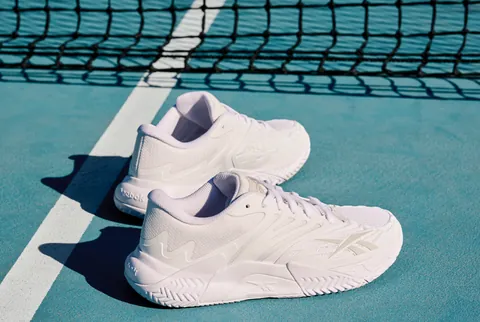
The Frech record is narrower and therefore more useful. Forbes covered Reebok’s return to head-to-toe performance tennis with the Phase Evo shoe, priced at $130. Sports Illustrated covered the Magdalena Frech signing. Women’s Tennis Blog reported that Frech, a top-50 WTA player, had been wearing Reebok on court since late February before the public May 2026 announcement cycle.[2][8][7]
There is no need to pretend that this proves commercial return either. The available public record does not disclose Frech’s endorsement compensation, unit sales, paid-media support, conversion rate, or retailer-through data. What it does provide is a tighter operating shape than the older deals: a named athlete, a defined product, a public launch window, a visible on-court usage record, and a retail price.
That is the part worth copying. Not “sign a top-50 tennis player” as a universal rule. Not “avoid superstars” as a moral position. The useful pattern is attaching ambassador spend to a product record that can be dated, inspected, and compared with downstream activity.
Why reported endorsement prices are good comparables and bad ROI evidence
Reported deal values are still worth keeping. They help set negotiation ranges. They help a marketing lead ask whether a proposed ambassador fee is closer to a young-upside bet, a hero-visibility buy, a questionable mid-tier prospect deal, or a launch-tied performance activation. They also help stop false precision in planning: if the only public number is a press-reported contract value, it should not be treated as audited spend.
The broader sponsorship market has the same problem. Infront, citing Kearney, says sports sponsorships can generate typical returns of 3:1 to 6:1, while also emphasizing the need to measure awareness, engagement, sales, and partnership outcomes rather than treating sponsorship as one undifferentiated exposure buy.[9] That benchmark is useful as context, not as a retroactive proof that Chang, Williams, Jenkins, or Frech cleared a return threshold.
Forrester’s warning is more directly relevant to a 2026 budget meeting: it reported that 76% of U.S. B2C marketing executives whose companies sponsored sports in 2024 struggle to calculate ROI from those sponsorships.[10] That finding does not say sponsorship fails. It says the measurement layer is still fuzzy even among companies already doing the spending.
That is why the old Reebok numbers should be used like comparables in a real-estate file, not like performance reports. A reported $40 million Venus re-up can tell a brand what peak symbolic visibility was priced at in that moment. It cannot tell a 2026 operator whether a new tennis ambassador will beat paid social, retail media, creator seeding, or a lower-cost tournament activation.
The same distinction runs through other sponsorship categories. A deal can be locally rational, as in the Howard-McDonald’s local DMA sponsorship record, or athlete-specific, as in the P&G-Kelsey Mitchell sponsorship ROI case. But those records become useful only when the channel logic is separated from the announcement value.
What to verify before treating a tennis endorsement as a channel
The Reebok ledger points to a practical review sequence. Before treating any tennis endorsement as a growth channel, the buyer should know which of the following records will exist after the announcement:
- Contract basis: reported fee, guaranteed cash, product royalties, performance incentives, term length, and termination rights.
- Product tie-in: the exact shoe, apparel line, launch date, retail price, distribution plan, and markets where the athlete will actually matter.
- Usage record: first on-court appearance, tournament windows, creative assets, social posts, retailer content, press moments, and paid-media amplification.
- Measurement plan: baseline awareness, search demand, traffic, sell-through, retailer reorders, promo-code or affiliate signals where appropriate, and brand-lift or incrementality tests where budget allows.
- Comparable set: whether the deal is being defended against superstar visibility, young-athlete upside, mid-tier prospect pricing, or product-launch activation.
That sequence is deliberately less exciting than a launch film. It is also where the budget survives. The same logic applies outside tennis: the site’s stadium naming-rights ROI tracker is useful because it forces the sponsor to define what will be measured before the venue name becomes a proxy for strategy.
Creative activation can still carry the deal. The point is to make it observable. Records such as AI bat tracking in baseball sponsorship strategy and John Deere’s Field of Dreams sponsorship activation are better comparables than a fame-only endorsement recap because they ask what the sponsorship becomes once it leaves the press release.
The 2026 budget read
Chang, Venus, and Jenkins are useful historical pricing comparables. Chang shows the upside of buying young performance before the market has fully repriced the athlete. Venus shows the scale and cultural force of a true hero endorsement. Jenkins shows that a much smaller check can still look overpriced when the athlete context and product path are thin.
Frech is the more relevant 2026 operating model because the public record is attached to a dated performance-tennis relaunch and a specific $130 shoe. That does not make the deal proven. It makes the deal inspectable.
Use the old Reebok tennis numbers to frame price. Do not use them as evidence that expensive tennis endorsements perform. Copy the Frech-style discipline only to the extent that the ambassador cost is tied to a dated, checkable product launch record that can later be compared with traffic, retail movement, creative output, and whatever the budget owner agreed to measure before the contract was signed.
References
- Michael Chang, Wikipedia
- Reebok Returns To Head-To-Toe Performance Tennis With Phase Evo Shoe, Forbes, May 18, 2026
- TENNIS; Having Style Pays Off for Venus Williams, The New York Times, December 22, 2000
- $elling $erena and Venu$, ESPN, February 2, 2003
- The 50 Most Influential Sneaker Sponsorships in Sports History, Complex
- Reebok near a deal with U.S. teen, Sports Business Journal, October 17, 2005
- Magdalena Frech joins Reebok for the brand’s return to tennis, Women’s Tennis Blog, May 22, 2026
- Reebok Announces Magdalena Frech Signing in Return to Tennis, Sports Illustrated
- Sports sponsorship ROI: How to measure impact and maximise investment, Infront
- Sports Sponsorships Surge Despite Fuzzy ROI, Forrester
This is a record of what happened and what was tested, not legal advice. Compliance determinations require qualified counsel.