
What the Google Assistant $68M settlement means for ads
Google's $68 million Assistant privacy settlement has an August 27, 2026 claim deadline and an October 1 fairness hearing; this dated tracker record covers who qualifies, the point-based payout math, and why the deal is not evidence that ads listen to conversations. No ad platform changed targeting because of the settlement.
- Platform
- Change category
- policy
- Effective date
- 0-08-27
- Change type
- policy shift
- Impact level
- Low
Dated verdict — August 27, 2026: Google LLC has agreed to a proposed $68 million settlement over Google Assistant privacy allegations. The deadline to submit a claim, request exclusion, or object is today; mailed submissions must be postmarked today. The final approval hearing is scheduled for October 1, 2026.[1] Google admitted no wrongdoing, and the settlement produced no change to ad targeting. For media buyers assessing Google Assistant settlement eligibility and AI privacy implications for ads, this is a legal-liability event—not evidence that advertising systems listen to conversations.
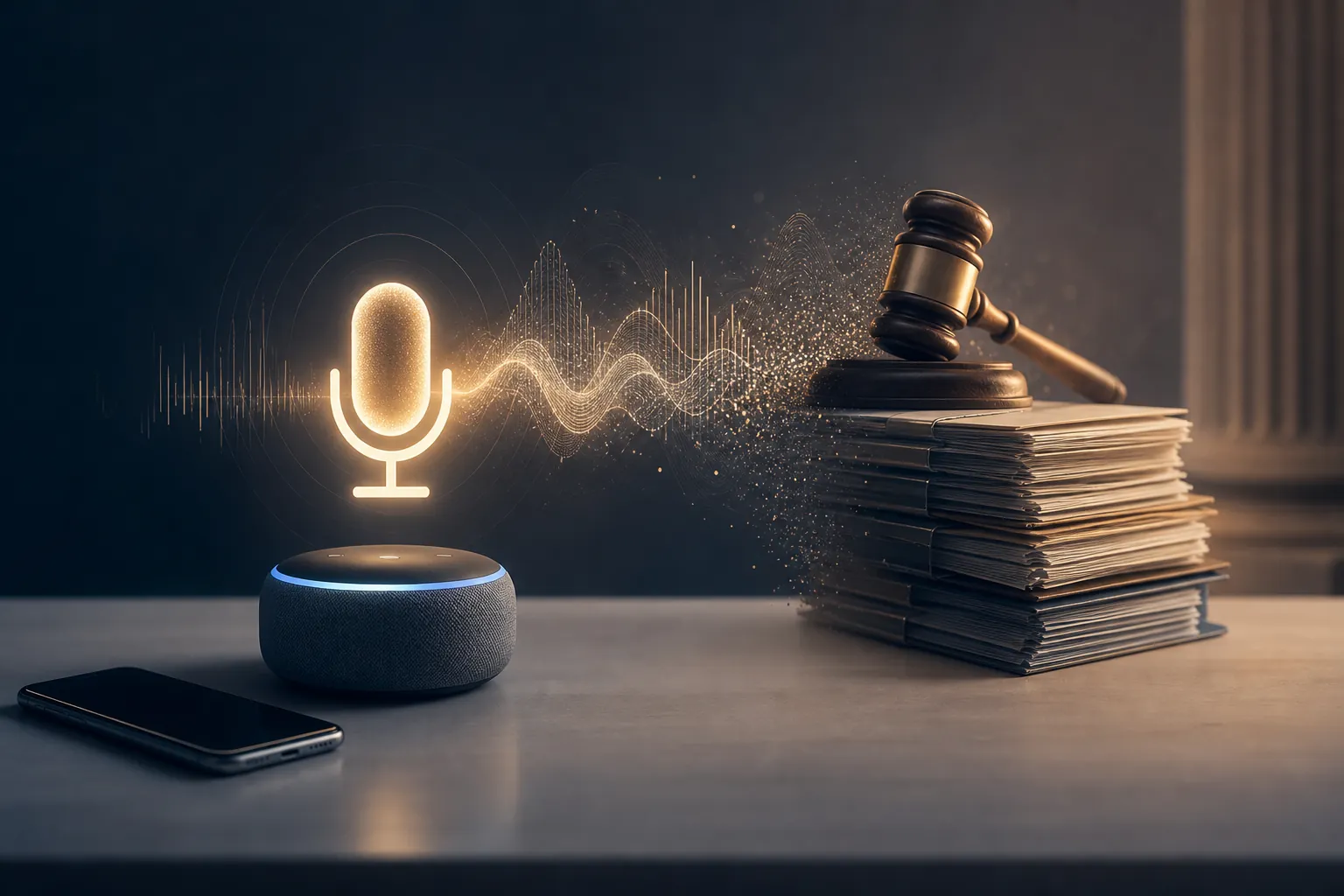
| Tracker field | Recorded detail |
|---|---|
| Settlement fund | $68 million gross |
| Covered period | May 18, 2016–March 19, 2026 |
| Claim, exclusion, and objection deadline | August 27, 2026 |
| Submission distinction | Online claims due August 27; mailed claims must be postmarked August 27 |
| Next event | Final approval hearing on October 1, 2026 |
| Admission or adjudicated finding | None |
| Resulting ad-platform change | None identified |
Who falls within the settlement classes
The settlement defines two classes, and their eligibility tests should not be collapsed into a general claim that every Assistant user qualifies.
- Purchaser class: people who purchased a Google-manufactured device in the United States or its territories between May 18, 2016 and March 19, 2026.
- Privacy class: people who used Google Assistant, or lived in the household of a user, during that period and had communications recorded through a “False Accept” or disclosed to a third-party review vendor.
Those are the official class definitions.[1] A False Accept, in the settlement’s terminology, concerns an unintended activation rather than a deliberate voice request. Representative devices include Google Home, Home Mini, Home Max, Nest Hub, Nest Hub Max, and Pixel smartphones. The potential device coverage extends to devices on which Assistant was preinstalled or could be downloaded, so the examples are not an exhaustive product list.[2]
An eligible person submitting online must do so by August 27. A paper claim sent through the mail qualifies based on an August 27 postmark.[1] That distinction matters on publication day, but it will cease to be the live tracker issue after the deadline. The October 1 final approval hearing then becomes the next event to monitor.
The payout is based on points, not a promised amount per device
The distribution formula assigns four points for each qualifying device, with a cap of three devices. That creates a maximum of 12 purchaser-class points. A qualifying privacy-class claim adds one point, producing a combined maximum of 13 points.[2][3]
| Claim component | Points | Limit |
|---|---|---|
| Qualifying device | 4 per device | Up to 3 devices |
| Purchaser-class total | Up to 12 | Device cap applies |
| Privacy-class qualification | 1 additional point | One point |
| Combined maximum | 13 points | 12 device points plus 1 privacy point |
A point does not yet have a fixed dollar value. Its eventual value is the distributable net fund divided by the total number of points attached to valid claims. Until administrators finish reviewing and tallying those claims, neither a claimant nor a client team can convert the point schedule into a reliable payment forecast.[3]
The $68 million figure is the gross fund. Potential deductions include up to $22,666,667 in attorneys’ fees, approximately $1 million for administration, and up to $40,000 in service awards.[3] The approved deductions and total valid points will determine the eventual per-point payment. Publishing an estimated net check before both inputs are known would give precision the settlement mechanics do not support.
What the complaint alleged—and what the settlement establishes
The proposed deal was filed in federal court in San Jose after plaintiffs alleged that Google Assistant sometimes activated without an intended wake command and captured private communications. Reuters reporting, repeated by The Hill, also described plaintiffs’ allegations that speech was used to target advertisements.[4] The attribution is essential: this was the plaintiffs’ case, not a judicial conclusion about Google’s advertising systems.
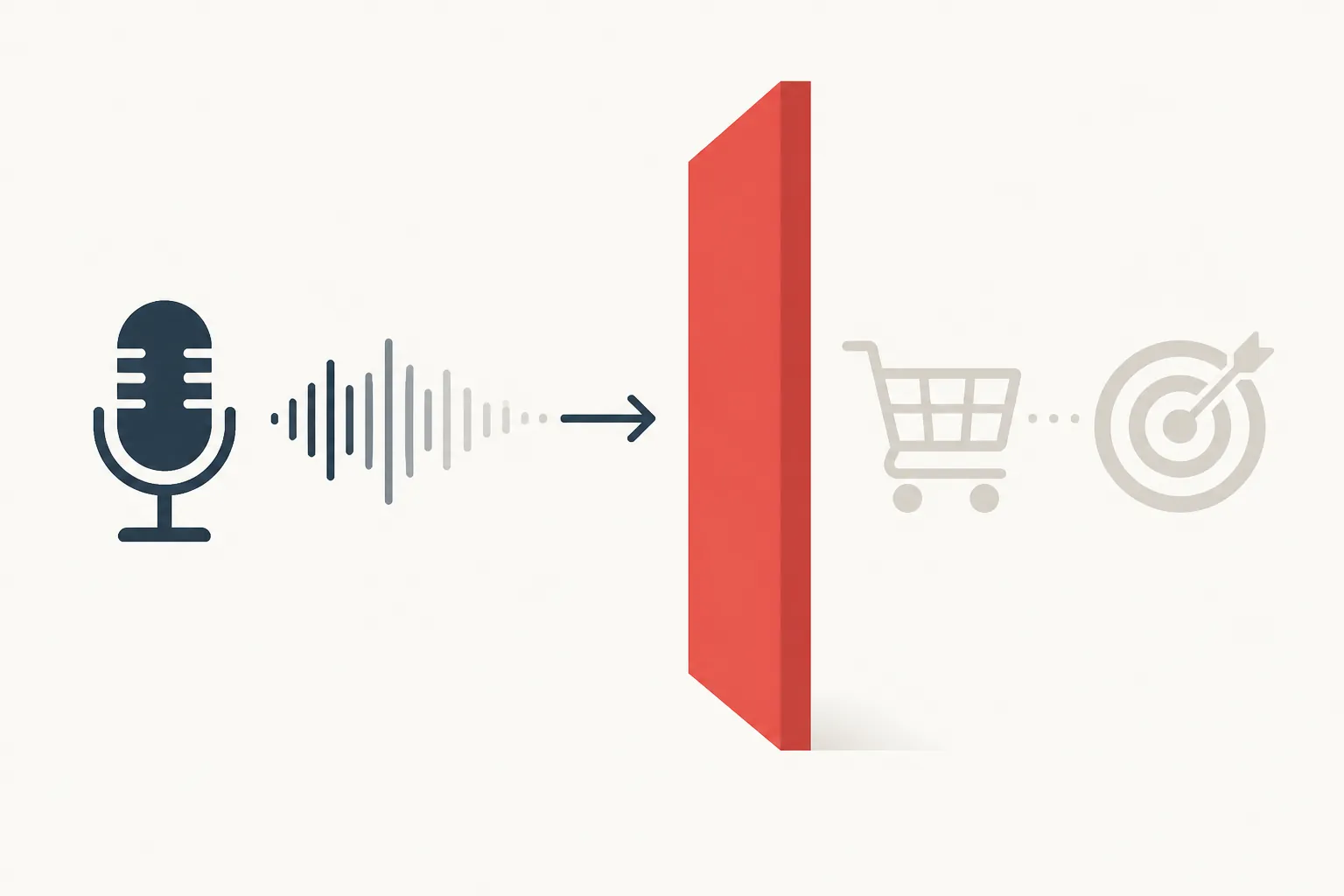
The settlement resolves disputed claims without adjudicating that alleged microphone-to-ad-targeting pipeline. Google denied wrongdoing and said it agreed to settle to avoid the “uncertainty, risk, expense, inconvenience and distraction” of continued litigation.[4] No court finding cited in the settlement record establishes that an unintended Assistant recording entered an advertising audience, bidding model, conversion system, or campaign report.
Those distinctions prevent four different propositions from being blended into one:
- Allegation: Plaintiffs claimed unintended recordings occurred and that speech informed ad targeting.
- Settlement: Google agreed to fund a proposed $68 million resolution.
- Admission or adjudication: Google made no admission, and the targeting allegation was not established through a court finding.
- Operational platform action: The settlement did not alter Google Ads targeting, campaign controls, reporting, or audience mechanics.
A monetary resolution can still matter without proving every allegation. It puts a substantial price on resolving litigation involving voice-assistant data and unintended activation. It does not supply the missing technical or judicial evidence needed to tell a client that a strangely relevant advertisement resulted from a private household conversation.
The Siri comparison shows liability, not Google payout size
Apple’s parallel Siri matter ended in a $95 million settlement. WGN reported in January 2026 that some Reddit users described payments of roughly $8 per claimed device, including one reported payment of $40.10 for five devices, despite an earlier maximum claim figure of $20 per device.[5]
Those examples are anecdotal self-reports aggregated from Reddit, not official administrator totals or a representative payout analysis. They should not be used to forecast Google Assistant payments. The Google fund has its own deductions, claimant population, validation process, and point denominator.
The defensible comparison is narrower. Two major voice-assistant privacy settlements have placed material legal and reputational cost around alleged voice-data handling in roughly a year. The amounts—$68 million and $95 million—are both eight-figure settlements, not nine-figure payouts. Their proximity is a meaningful regulatory signal; rounding either one into a larger order of magnitude is not.
What a media buyer should change
Log the October 1 hearing in the AI policy and advertiser regulatory calendar. If a client asks whether the settlement proves that phones or smart speakers supply conversations to ad targeting, the accurate answer is no: the complaint contained that allegation, but the settlement contains no admission, adjudicated finding, or corresponding ad-product change.
That puts this event alongside the TikTok child-privacy settlement, the Meta settlement record for advertisers, and the Meta EU data-transfer tracker: a monetary or regulatory event must be checked for actual product terms before it is translated into campaign action.
No audiences need to be rebuilt, no targeting setting needs to be disabled, and no budget needs to move because of this settlement. The change belongs in the liability log and the client-question brief, not in the media plan.
References
- Google Assistant Privacy Litigation — Official settlement site
- Claim deadline nears for $68 million Google Assistant settlement — The Hill
- Google Assistant Privacy Litigation Settlement — Claim Depot
- Google settles for $68 million after lawsuit claimed it secretly recorded users — The Hill
- Payments from $95M Siri settlement going out: How big are they? — WGN
Primary source: https://www.googleassistantprivacylitigation.com/