

How to Use AI Marketing for Healthcare Fraud Defense Safely
A practical guide for healthcare fraud defense firms on using AI marketing tools—including GEO, content automation, and chatbots—while avoiding state bar ethics complaints and healthcare compliance risks. Covers specific controls and strategies to maintain visibility in AI-driven search without triggering regulatory exposure.
For AI in legal marketing for healthcare fraud defense, the problem is not whether AI can produce more content faster. It is whether the same content that helps a firm get found can also become a record of overreach. On June 23, 2026, DOJ said the 2026 National Health Care Fraud Takedown charged 455 defendants across 56 districts, alleged more than $6.5 billion in fraud, seized $182 million in assets, suspended 1,079 providers, and charged 90 medical professionals; the department also said AI and data analytics were central to detection. [1]
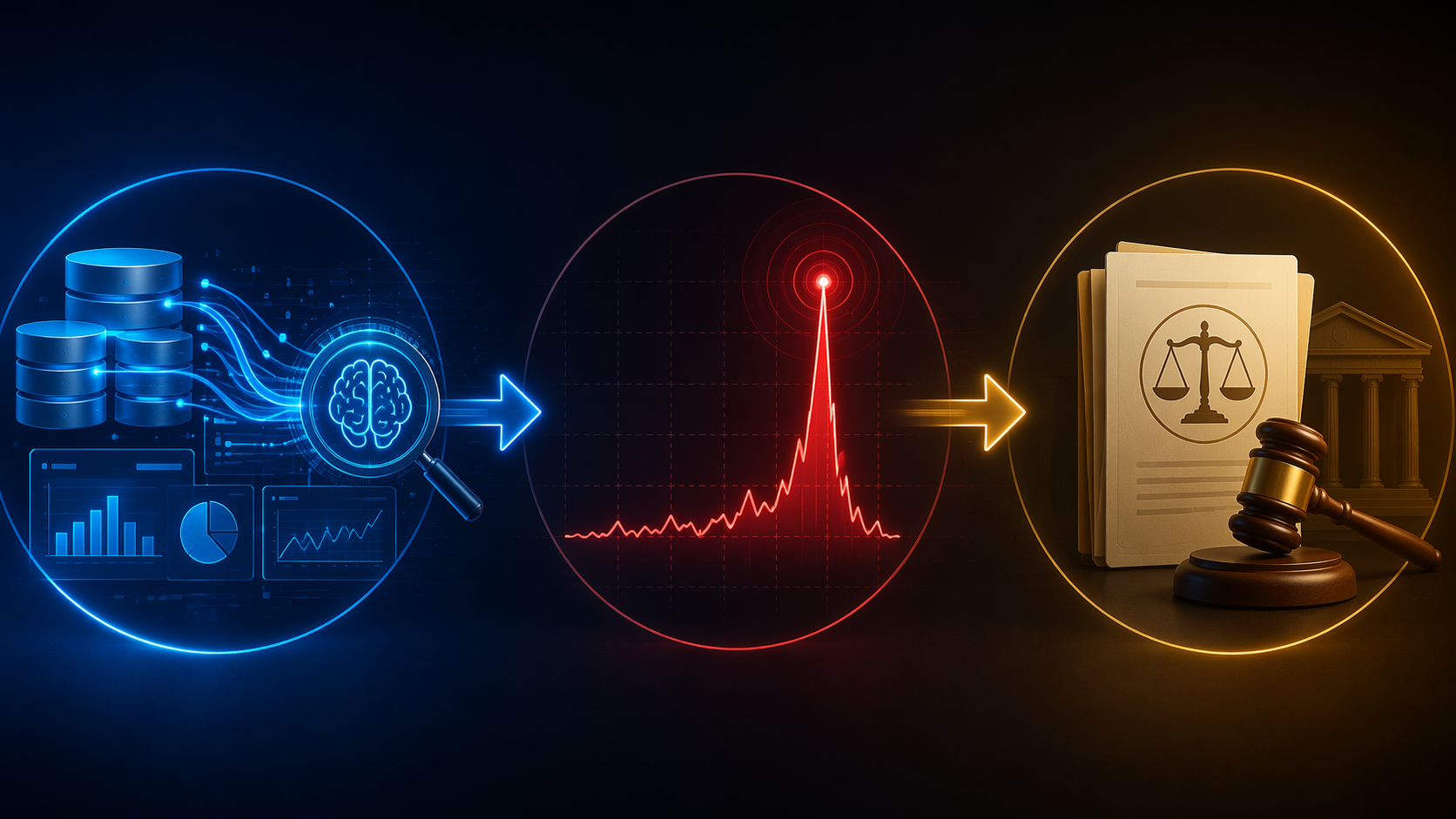
The wound allograft example makes the sequence harder to ignore. DOJ said payments for wound allografts climbed from about $200 million in 2019 to $14.4 billion in 2025, that data analytics flagged the billing spike, that CMS reset payment to $127 per square centimeter, and that charges later followed against 11 defendants. [1]That is the real warning for a defense firm: the same data-driven systems that surface fraud can also surface a sloppy marketing trail if the firm treats AI as a casual content shortcut.
Why GEO matters here
AI search visibility is now part of the marketing problem, not a side channel. GEO, content automation, and chatbots only help if the firm’s pages are built to answer the questions prospects actually ask and to do it in a way that a skeptical lawyer, partner, or regulator can trace back to source material. For healthcare fraud defense, that means specificity around audits, claims review, self-disclosure, billing investigations, AKS and Stark exposure, and defense process. Volume does not substitute for authority, which is why a healthcare credibility model like Tempus AI credibility marketing is the more relevant analogy than generic legal SEO. The point is not to sound confident; it is to build trust signals that both people and systems can recognize.
| AI use | Useful when | Risky when |
|---|---|---|
| GEO content | It organizes pages around the issues prospects search for and keeps the answers tightly tied to approved firm positions. | It inflates weak pages with generic commentary, unverifiable claims, or borrowed authority. |
| Content automation | It drafts first versions from an approved outline, a source set, and a review path. | It invents testimonials, case results, or medical claims that no one can defend later. |
| Chatbots | It routes intake, schedules consultations, and captures basic facts for human follow-up. | It improvises legal advice, predicts case outcomes, or sounds like the firm has already formed an opinion. |
| Predictive lead scoring | It prioritizes engagement and source-of-inquiry data so staff can respond faster. | It starts inferring referral patterns or other signals that should never enter the marketing model. |
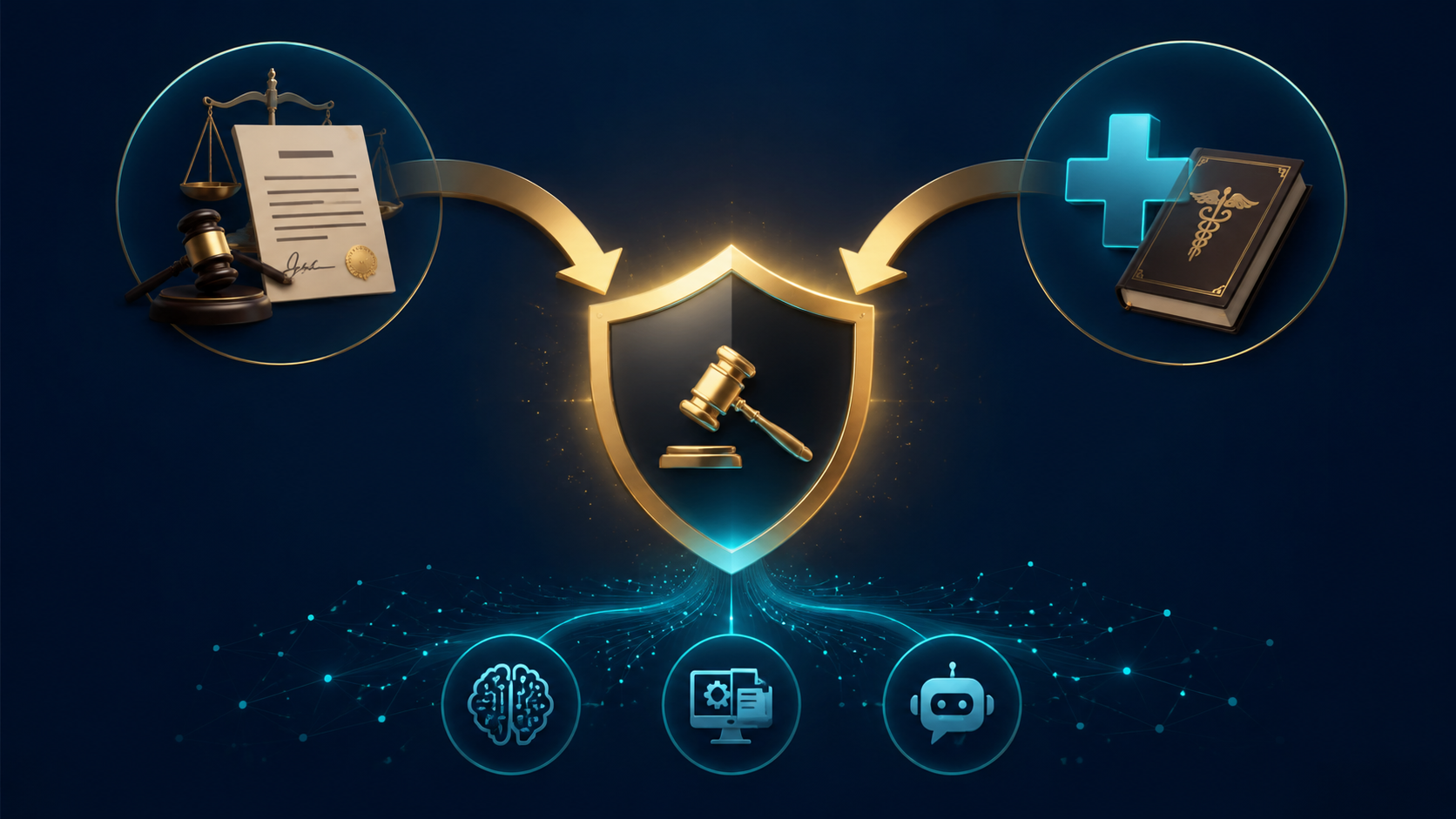
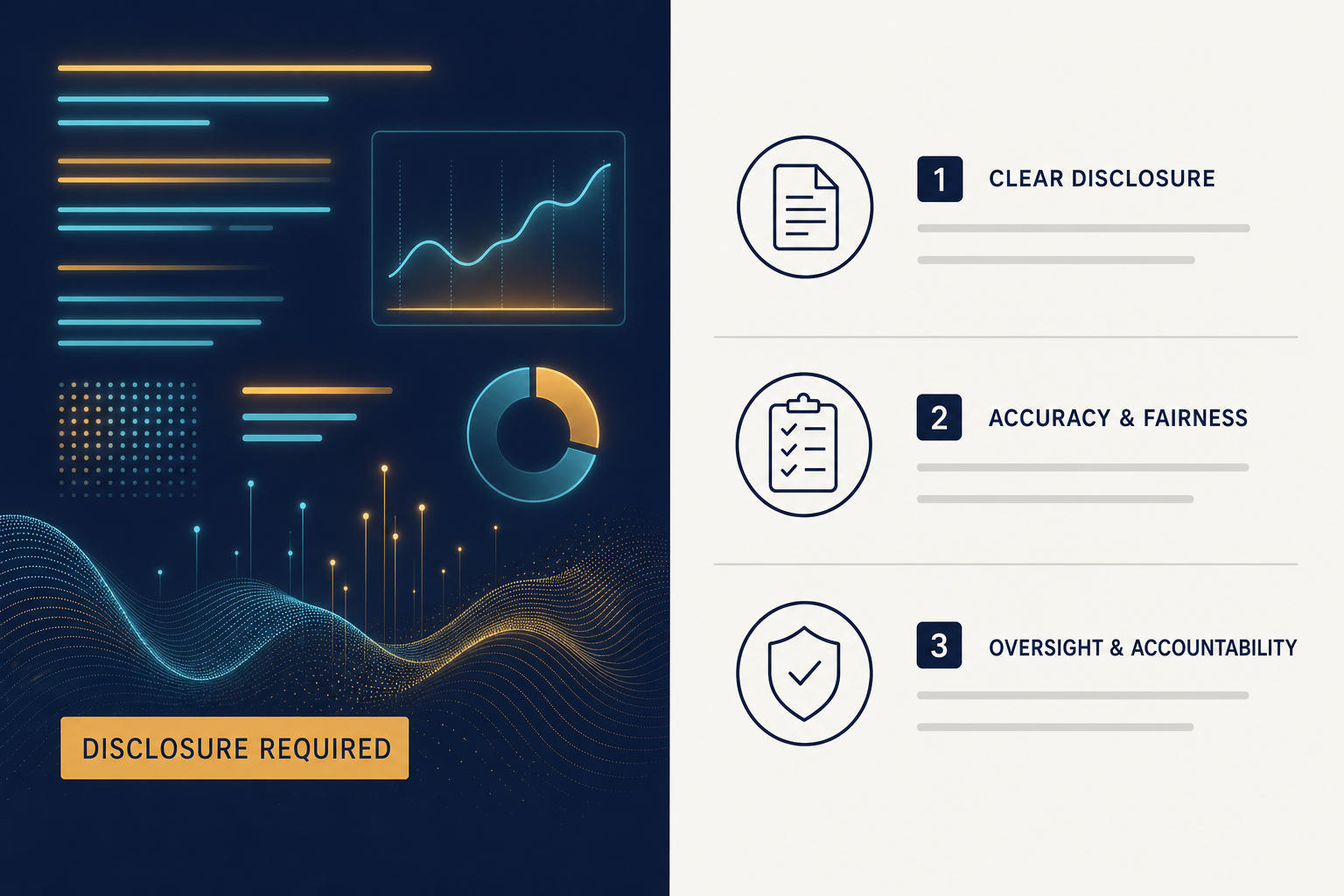
The control stack that makes AI usable
- Keep a firm-approved claim library for every service page, FAQ, and chatbot path, and only let AI draft from that library.
- Require human review before anything goes live, with special scrutiny for testimonials, case outcomes, medical terminology, and any sentence that sounds like a promise.
- Archive the prompt, the draft, the reviewer, and the final published version so the firm can reconstruct the decision later.
- Limit chatbots to intake and routing unless a lawyer has explicitly approved a narrower script.
- Use lead scoring for operational prioritization, not for drawing conclusions that could create anti-kickback or other compliance risk.
The archive matters as much as the copy. If the firm cannot show what the tool suggested, who edited it, which source supported it, and why the final wording passed review, the marketing process is too fragile for this practice area. That is also why AI should be treated as assistance, not authorship. A machine can help assemble a page, but the firm still has to own the claim.
What should stay off the machine
The safest boundary is narrower than most vendors suggest. Do not let AI create testimonials, outcome language, or comparative claims without lawyer review and a source file. Do not let it improvise answers about an investigation, a subpoena, or a client’s likely defense. Do not let it write intake copy that sounds like it is screening for protected referral behavior or offering a legal opinion before the firm has even talked to the prospect. In this niche, the wrong automation is not just sloppy marketing; it is evidence of a process the firm should not have built.
Used carefully, AI in legal marketing for healthcare fraud defense can improve visibility without weakening the firm’s posture. Used carelessly, it speeds up the exact mistakes that a bar grievance or healthcare investigation would later examine. The defensible position is narrow but workable: use GEO competence to get seen, and wrap it in controls strong enough to survive both bar scrutiny and healthcare enforcement pressure.
References
- 2026 National Health Care Fraud Takedown — U.S. Department of Justice, June 23, 2026 — link
Comments
Join the discussion with an anonymous comment.