
Topps
The Cooper Flagg RDPA card's projected $5M valuation is not a collector anomaly — it's the output of a five-link marketing value chain. This case study examines each link and what brand marketers can learn from the mechanisms that generated that value.
Outcome
Live signing of Cooper Flagg's RDPA card at Fanatics Fest generated widespread media coverage and public interest (source: Yahoo Sports, July 17, 2026).
This outcome is independently verified via the primary source linked above.
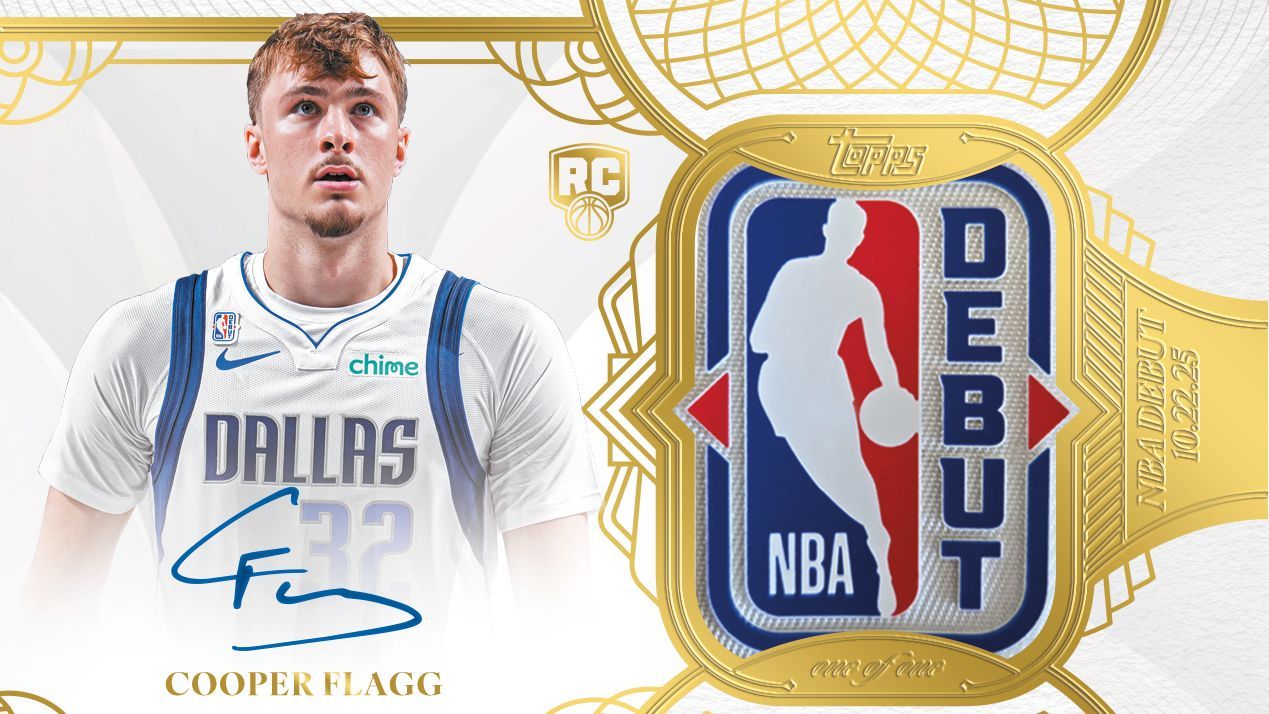
At Fanatics Fest NYC on July 17, 2026, Cooper Flagg signed his rookie debut patch card in front of cameras, turning the card into a public asset before it had even reached pack buyers. That is the useful clue in the Cooper Flagg patch card marketing value story: the projected price matters, but only because a chain of provenance, live activation, chase mechanics, and retail theater makes the number feel believable [1][4][5].
Scarcity Has To Survive Scrutiny
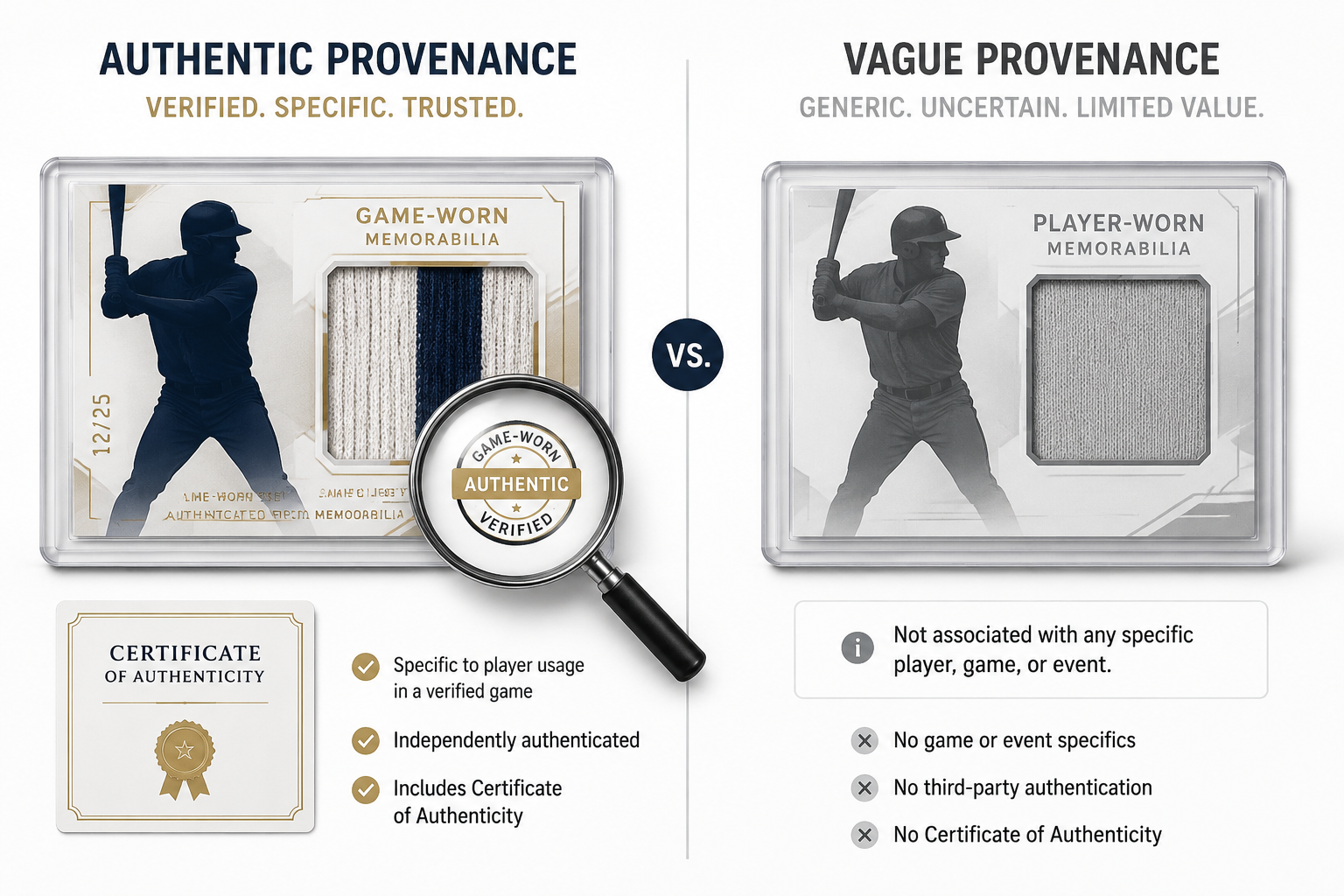
The first link in the chain is not rarity by itself. It is rarity with provenance that can stand up to inspection. Sports Illustrated documented how patch cards in the hobby can lean on language that says the memorabilia is "not associated with any specific player, game, or event," which is a very different proposition from a debut patch tied to a first professional moment [2]. Fanatics and Topps have said RDPA cards are meant to connect a buyer to that first moment a player steps on the field, and that framing gives the object emotional logic without needing to dress it up as folklore [3].
That distinction is doing more work than it looks like. A generic patch card can still be attractive, but it does not carry the same trust premium because the buyer is being asked to believe in scarcity without a visible anchor. A game-worn debut patch with clear provenance gives marketers something stronger: a scarcity claim that can be explained, defended, and repeated.
The Live Signing Turns Provenance Into Reach
The July 17 signing at Fanatics Fest matters because it converts an authentication story into an earned-media story. The card was not sitting quietly in a slab; it was being handled, signed, filmed, and discussed in the same moment, which lets the object borrow scale from the event floor and the event borrow credibility from the object [1]. For a marketer, that is the useful sequence: a real object, a visible trigger, and an audience that can watch the proof arrive in real time.
The Chase Is Built Into Distribution
The third link is the distribution mechanic. The Flagg RDPA card is part of Topps 2026 Chrome Basketball Update Series, set for an Aug. 6, 2026 release, and the important detail is that it arrives as a random insert rather than a direct sale [4]. That structure manufactures participation: people buy product not only to own cards, but to take a shot at the card. The campaign is therefore embedded in the pack-opening behavior itself, not just in the reveal after the fact.
As of the reporting, the card had not yet been pulled from packs, which makes every public estimate feel less like a post-sale annotation and more like a signal shaping the market before the chase even begins [4].
Price Signals Work Before The Sale
This is where the projection logic matters more than the headline number. ESPN reported Geoff Wilson projecting the Flagg RDPA card at $5 million, while also noting that Flagg's debut jersey sold separately for $1 million [4]. That does not prove the card will sell for $5 million. It shows that public, credible estimates can establish a ceiling that changes how collectors and breakers think about every unopened box.
The best comparison is the Paul Skenes debut patch precedent. Dick's Sporting Goods said it acquired the Skenes card for $1.11 million and put it on display at House of Sport Pittsburgh, which transformed the card from an asset into a destination [5]. Against that backdrop, Athlon's April 2026 guide putting a raw Cooper Flagg base rookie card around $15 to $25 makes the RDPA projection look like a trust-and-provenance premium, not a routine rookie-card lift [7].
Retail Keeps The Story Moving
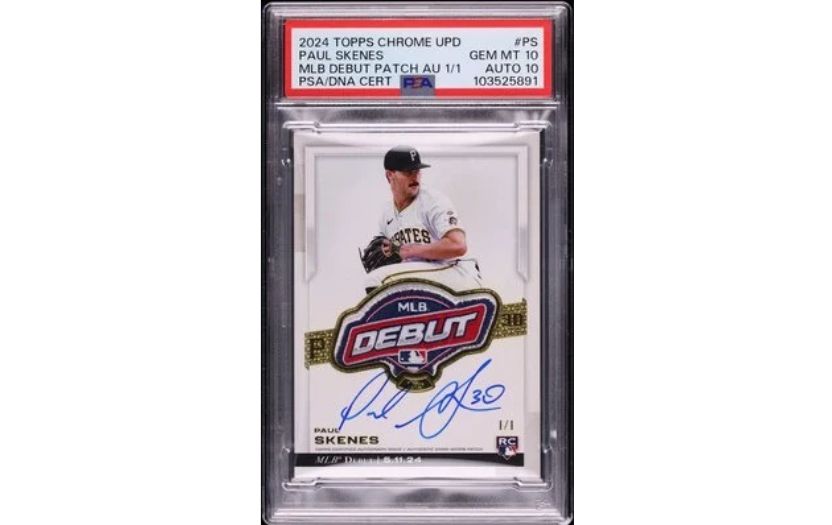
Dick's Sporting Goods' own investor release shows how the story extends beyond the sale. The company said the Skenes display at its Pittsburgh House of Sport used 500-plus wristbands a day and that its Collectors Clubhouse format was expanding to five House of Sport locations [5]. That is not a hobby footnote; it is the retail proof that a card can behave like an attraction, drawing traffic, creating lines, and giving people a reason to visit a store even if they never intend to buy the card itself.
What Marketers Can Copy
The lesson is not that every brand should chase a seven-figure collectible. The lesson is that scarcity-driven programs work when each link reinforces the next: a real provenance story, a visible public trigger, a participation mechanic, a credible price signal, and a place where the object keeps generating attention after the first reveal. One 2025 projection from Market Decipher put the sports memorabilia market at $33.6 billion and projected it to reach $271.2 billion by 2034, while trading cards were projected to grow from $14.9 billion to $52.1 billion over the same period [6]. Those estimates do not explain the Flagg case by themselves, but they do explain why marketers now treat collectible mechanics as a serious channel rather than a novelty.
That is the boundary marketers should keep: the $5 million outcome is not portable; the sequence that makes the projection credible is.
References
- Cooper Flagg signs rookie debut patch card at Fanatics Fest - Yahoo Sports, July 17, 2026
- The Truth About Patch Cards - Sports Illustrated, July 2025
- Why Fanatics rookie debut patch cards could become the biggest in sports - Yahoo Sports Collectibles, 2026
- Cooper Flagg signed rookie card at Fanatics Dallas Mavericks - ESPN, July 2026
- A Moment in Sports History: DICK'S House of Sport Pittsburgh Unveils Legendary Paul Skenes MLB Debut Patch Card - Dick's Sporting Goods Investor Relations, 2025
- 2025 - Sports Memorabilia & Trading Cards Market Size Estimated at $33.6 Billion Mark and is Expected to Reach $271.2 Billion by 2034, Growing at a CAGR of 22.1% - PR Newswire / Market Decipher, 2025
- Collectibles Cooper Flagg rookie card value guide 2026 - Athlon Sports, April 2026


Comments
Join the discussion with an anonymous comment.