

What Happened to IBM Watson Advertising?
IBM Watson Advertising was a legitimate AI ad platform with documented performance improvements, but it was sold and rebranded as Acoustic less than two years after launch. This article traces its lifecycle, examines the case study evidence, and explains what the platform's history means for marketers evaluating AI advertising solutions today.
What happened to IBM Watson Advertising?
IBM Watson Advertising was a real IBM AI advertising product, not a rumor. IBM introduced Advertising Accelerator with Watson at CES 2020, then sold its marketing and commerce software assets to Centerbridge Partners and moved the business into Acoustic; IBM's current public AI-advertising story now sits more in watsonx and AI-generated advertising than in a dedicated Watson Advertising product.[1][2][3][4]
So if the question is whether you can still buy or evaluate the original standalone IBM product in 2026, the answer is no in the practical sense. The lineage is real, but the product path changed.
What IBM originally launched at CES
The original pitch was simple: use Watson to help advertisers improve creative and campaign performance. At CES 2020, IBM framed Advertising Accelerator with Watson as an AI advertising tool, which made it easy for marketers to imagine a system that could move beyond static media buying and into creative optimization.[1]
The case studies that gave the product credibility
| Client | Reported result | Why it mattered |
|---|---|---|
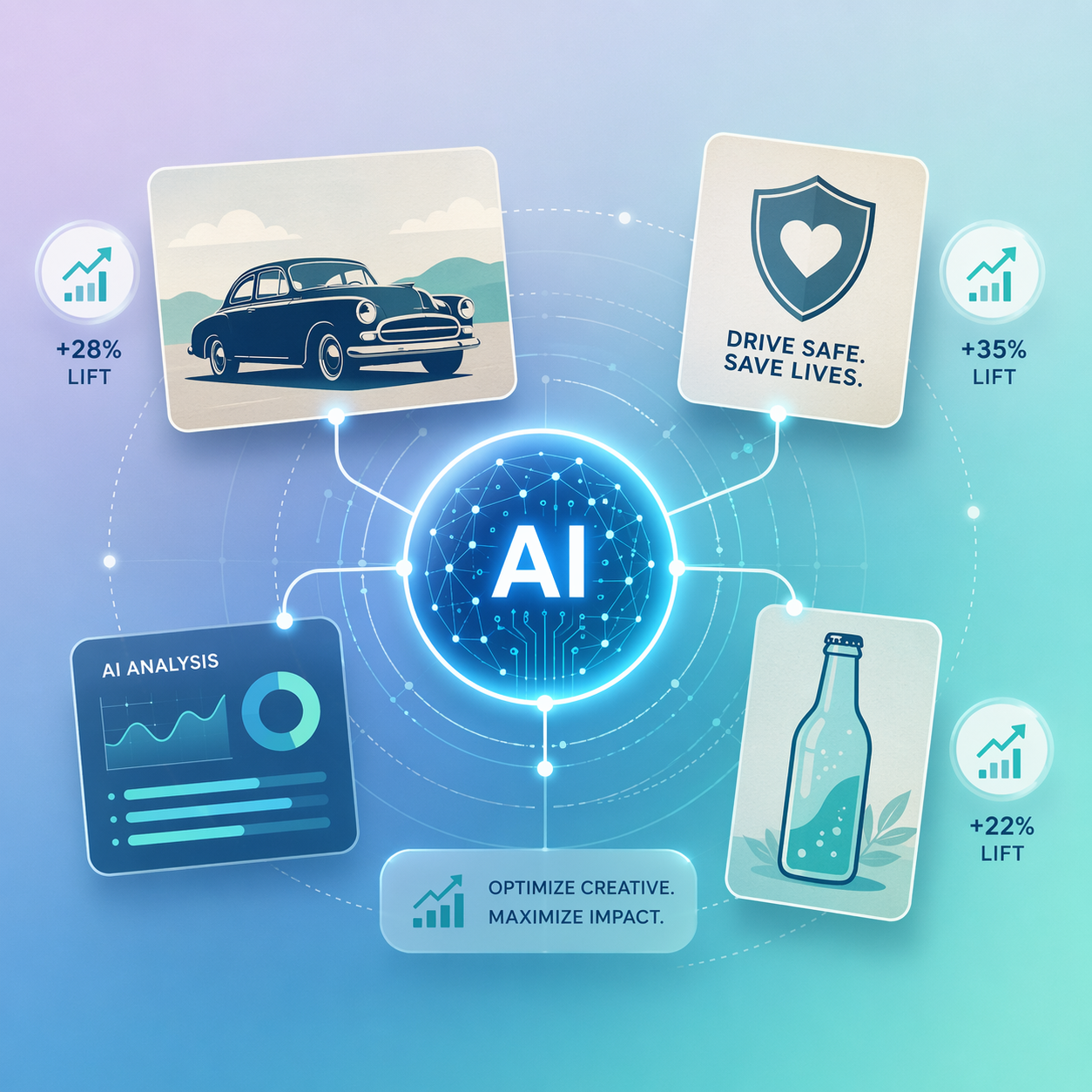
| Chevrolet | 100% CTR lift [5] | A meaningful performance gain, and the kind of number that gets attention inside a paid media review. |
| Ad Council | 113% performance lift [6] | Another strong result that suggested the platform could do more than sound impressive in a demo. |
| National Beverage Brand | 143% conversion-rate increase [7] | The clearest signal that the platform was tied to real campaign outcomes, not just brand theater. |
Those numbers are worth respecting. A 100% CTR lift or a 143% conversion-rate increase is not the kind of result a media lead waves away. But the useful reading is narrower than the headline suggests: these were vendor-reported campaign outcomes, not a promise that the same lift would survive every account, every creative set, or every future version of the product.
That distinction matters because performance evidence and platform durability are different questions. A case study can be real and still be insufficient as procurement proof.
Why the sale and rebrand changed the buying question
Less than two years after that CES debut, IBM sold its marketing and commerce software offerings to Centerbridge Partners, and the business became Acoustic.[2][3] The exact transaction terms were not publicly disclosed.[2][3] For marketers, that is the part of the story that matters more than the launch deck. A tool can move a metric and still leave the buyer with a different support path, a different roadmap owner, and a different brand name before the contract is even settled.

What IBM points to now
IBM's current AI-advertising messaging is no longer centered on a standalone Watson Advertising product. In its newer public material, IBM places AI-generated advertising inside the broader watsonx story.[4] That is a different buying conversation: enterprise AI infrastructure first, ad-tech product second.
What a marketer should evaluate in 2026
- Who owns the roadmap if the vendor reorganizes, sells the unit, or changes the product name?
- What exactly is being measured: CTR, conversion rate, or incrementality?
- Is the result based on a single campaign window or repeatable across accounts?
- Can your team keep data access, reporting, and creative workflows if the platform changes hands?
- If the vendor rebrands or spins off the business, what happens to support and implementation continuity?
IBM Watson Advertising should be remembered as a legitimate platform that produced credible campaign lifts, not as a fake product and not as a durable model of platform stability. The performance claims matter, but in 2026 they sit alongside the harder question every buyer has to ask: will this still be the same product, with the same support and the same roadmap, after the vendor changes its mind about the business?
References
- IBM Launches Advertising Accelerator with Watson — PRNewswire
- IBM shifts focus with sale of Watson marketing, commerce solutions — Marketing Dive
- Centerbridge Partners to Acquire IBM's Marketing Platform and Commerce Software Offerings to Form Standalone Marketing and Advertising Technology Company — Acoustic
- AI-generated advertising — IBM Think, 2025
- Chevrolet Watson Advertising — IBM
- Ad Council Watson Advertising — IBM
- National Beverage Brand Watson Advertising — IBM

Comments
Join the discussion with an anonymous comment.